Tori Karaage Recipe
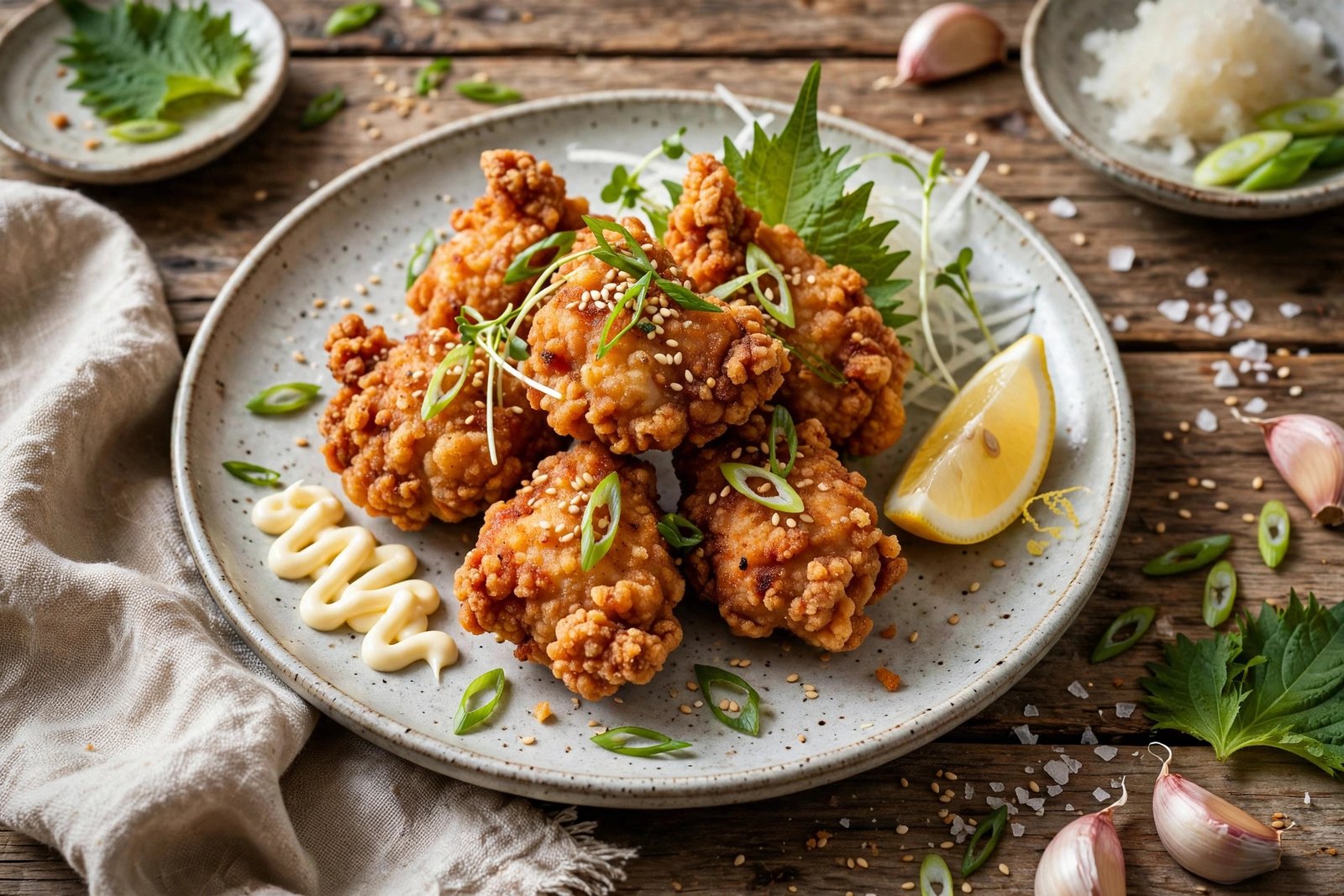
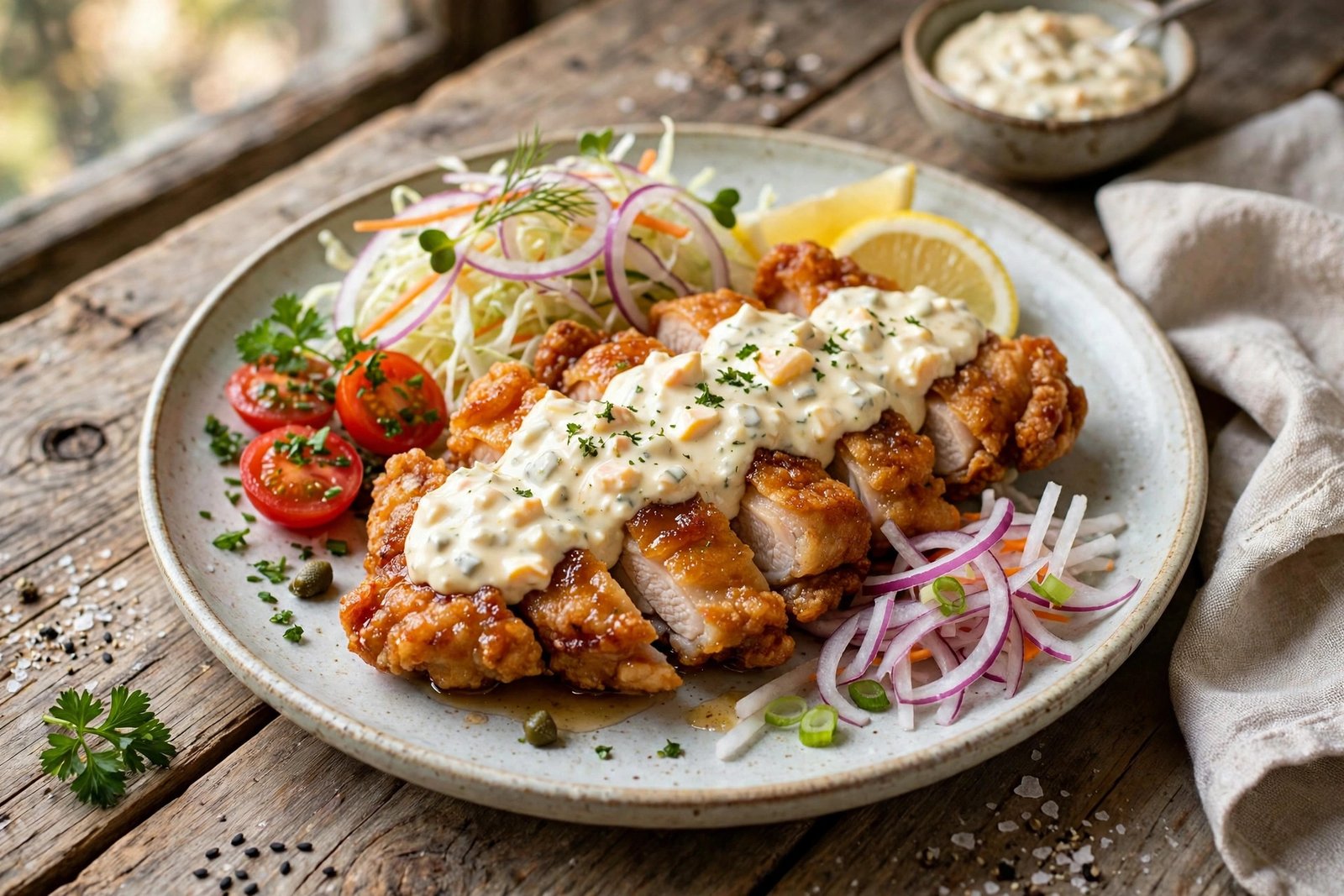
Tori karaage is Japan's favourite fried chicken: boneless thigh meat marinated in soy sauce, ginger, garlic and sake, then coated in potato starch and fried twice until shatteringly crisp outside and juicy inside. It is the star of bento boxes, izakaya menus and family dinners alike.
The story behind Tori Karaage
Tori karaage is Japan's favourite fried chicken, and it is one of the great fried chickens of the world. Boneless thigh meat, marinated in soy sauce, ginger, garlic and sake, coated in potato starch and fried twice until shatteringly crisp outside and juicy inside. It is the star of bento boxes, izakaya menus and family dinners.
Karaage means fried, and the technique is simple: marinate, coat, fry twice. The marinade gives the chicken its flavour, deep and savoury, with ginger and garlic coming through. The potato starch coating fries into a light, crisp shell that stays crunchy far longer than a flour coating. The double fry is the secret to the lasting crispness.
Chicken thigh is the right cut. It stays juicy through two rounds of frying, and it has enough fat to keep the meat moist. Chicken breast dries out in karaage, turning tough and stringy. The skin stays on, adding flavour and helping the coating stick. Boneless thighs, skin on, cut into bite-sized pieces, are the classic choice.
Karaage is eaten everywhere in Japan. In bento boxes, packed for lunch. In izakayas, served with beer and lemon. At home, as a family dinner with rice and miso soup. At convenience stores, sold hot in paper bags. It is a dish that crosses every boundary, from the fanciest restaurant to the humblest lunchbox.
Cook tori karaage when you want fried chicken that is better than takeaway, or when you want to taste real Japanese home cooking. It takes 30 minutes plus marinating time, and it is the kind of food that disappears fast. Serve it hot, with lemon wedges and Japanese mayonnaise.
Karaage is the star of the Japanese bento box, the packed lunch that Japanese children and workers carry to school and office. The chicken is cooked in the morning, packed into a box with rice and vegetables, and eaten at room temperature for lunch. Karaage that stays crisp in a bento box is the mark of a good cook, and the double fry is what makes it possible.
The potato starch, katakuriko, is the coating that makes karaage special. It is finer than cornflour and fries into a light, glassy crust that stays crisp far longer than a flour coating. It is sold in Asian groceries in small bags. If you cannot find potato starch, cornflour is the next best thing, though the crust will be a little denser.
The izakaya is the Japanese pub, a place for small plates, cold beer and conversation. Karaage is one of the most ordered dishes in an izakaya, served in a basket with lemon wedges and mayonnaise, to be shared at the table. It is the kind of food that goes with a drink and a long evening, and it is always the first plate to empty.
- Prep time
- 15 mins
- Cook time
- 15 mins
- Total time
- 30 mins
- Servings
- 4 servings
- Calories
- 480
Ingredients
- 600 g boneless chicken thighs, skin on, cut into bite-sized pieces
- 2 tablespoons soy sauce
- 1 tablespoon sake
- 1 tablespoon grated fresh ginger
- 2 garlic cloves, grated
- 1 teaspoon sesame oil
- 1/2 teaspoon salt
- 1/2 teaspoon black pepper
- 80 g potato starch (katakuriko)
- Vegetable oil, for deep frying
- Lemon wedges, to serve
- Japanese mayonnaise, to serve
Instructions
- Cut the boneless chicken thighs, skin on, into bite-sized pieces, about 4 cm across. Even pieces cook at the same rate and stay juicy.
- Mix the soy sauce, sake, grated ginger, grated garlic, sesame oil, salt and black pepper in a large bowl. The marinade should smell fragrant and savoury.
- Add the chicken pieces to the marinade and massage the marinade in well with your hands, so every piece is coated. Cover and leave for at least 15 minutes, or up to 2 hours in the fridge. Longer marinating gives deeper flavour.
- Drain off any excess marinade from the chicken. The chicken should be coated but not dripping; excess marinade makes the coating soggy.
- Coat each piece of chicken evenly in the potato starch, pressing the starch on so it sticks. Shake off any excess. The coating should be thin and even.
- Heat the oil in a deep pan or wok to 170C (340F). Fry the chicken in batches for 3 minutes, turning once, until lightly golden. Do not crowd the pan or the oil temperature will drop.
- Remove the chicken and rest it on a wire rack for 2 minutes. The rest lets the coating set and the juices settle.
- Raise the oil temperature to 190C (375F). Fry the chicken again for 1 minute, until deep golden and extra crisp. The second fry is the secret to lasting crispness.
- Drain on a wire rack and sprinkle lightly with salt. Serve hot with lemon wedges and Japanese mayonnaise for dipping.
Pro tips
- Chicken thigh stays juicier than breast in karaage. The fat and the skin keep the meat moist through two fries.
- The second fry is the secret to lasting crispness. One minute at 190C makes the coating shatteringly crisp.
- Potato starch gives a lighter, crunchier coating than plain flour. It is worth finding in an Asian grocery.
- Do not crowd the pan or the oil temperature will drop and the coating will turn greasy. Fry in small batches.
- Drain on a wire rack, not kitchen paper, so the coating stays crisp on all sides.
Variations & serving ideas
The marinade can change. A little chilli oil, added to the marinade, gives a spicy karaage. A spoonful of miso, whisked into the marinade, adds a fermented depth. A little honey gives a sweet, sticky glaze. The soy, ginger and garlic are the constants; the extras are up to you.
The coating can change too. A mix of potato starch and cornflour gives a slightly different texture, a little denser and crunchier. A little rice flour in the coating adds extra crispness. Plain flour works, but the coating is heavier and softens faster.
Karaage can be served in many ways. In a bento box, with rice and pickled vegetables. On a bed of shredded cabbage, with lemon and mayonnaise. In a sandwich, with shredded cabbage and tonkatsu sauce. As a topping for curry rice, where the crisp chicken contrasts with the rich sauce.
For a lighter version, bake the coated chicken at 220C for 20 minutes, turning once, or air fry at 200C for 15 minutes. The coating will not be as crisp as fried, but it is still good. Spray the chicken with oil before baking for a better crust.
Serve tori karaage with a cold beer, as the Japanese do in an izakaya. The crisp, salty chicken and the cold beer are a perfect pairing. A squeeze of lemon over the chicken brightens the flavour and cuts the richness.
A little grated daikon radish, served alongside the karaage, is a classic Japanese accompaniment. The daikon is cool, crisp and slightly peppery, and it cuts through the richness of the fried chicken. A spoonful of grated daikon with a little soy sauce is the traditional partner.
For a spicy version, toss the hot karaage in a little chilli oil and a pinch of shichimi togarashi, the Japanese seven-spice blend. The chilli oil gives heat, and the togarashi adds a complex, fragrant spice. It is a version for those who like their fried chicken with a kick.
A little lemon zest, grated into the marinade, gives a bright, citrusy note that suits the ginger and soy. The zest should be fine, from an unwaxed lemon. A teaspoon is enough for the whole batch. It is a small addition that lifts the whole flavour.
Getting it right
The marinade needs time to work. Fifteen minutes is the minimum; two hours in the fridge gives a deeper flavour. The soy sauce seasons the meat, the ginger and garlic perfume it, and the sake tenderises it slightly. Massage the marinade in well, so every piece is coated. Do not marinate longer than 2 hours, or the soy sauce will make the surface of the chicken salty and tough.
The coating should be thin and even. Potato starch, pressed onto the chicken, gives a light, crisp shell. Too much starch makes a thick, gummy coating. Shake off the excess and let the coated chicken rest for a few minutes before frying; the starch hydrates slightly and sticks better.
Double frying is the technique that makes karaage special. The first fry, at 170C for 3 minutes, cooks the chicken through and sets the coating. The rest lets the coating firm up. The second fry, at 190C for 1 minute, drives out moisture and makes the coating shatteringly crisp. A single fry gives good karaage; a double fry gives great karaage.
The oil temperature must be checked with a thermometer. Oil that looks hot enough often is not, and oil that is too cool makes greasy chicken. A kitchen thermometer, clipped to the side of the pan, takes the guesswork out. The oil should be 170C for the first fry and 190C for the second.
The chicken should be patted dry after marinating, before coating. Excess marinade makes the coating wet and gummy. Drain the chicken well, pat it dry with kitchen paper, then coat it in the potato starch. A dry surface gives a crisp coating.
Storing & reheating
Tori karaage is best eaten immediately, while the coating is crisp and the chicken is hot. The coating softens within 30 minutes, though it stays tasty. Leftovers keep in the fridge for up to 2 days.
Reheat leftover karaage in a hot oven at 200C for 8 to 10 minutes, on a wire rack, until hot and crisp again. The microwave makes the coating soggy; avoid it. An air fryer at 190C for 5 minutes works well too.
The marinated chicken, uncoated, keeps in the fridge for up to a day. Coat and fry it just before serving for the best result. The coating does not keep well once applied; it turns wet and gummy.
The marinade can be made in a double batch and kept in the fridge for up to a week. It is good for marinating chicken, pork or tofu. A jar of karaage marinade in the fridge is a shortcut to a quick Japanese dinner.
Frequently asked questions
What is the difference between karaage and tempura?
Karaage is marinated meat coated in dry starch and fried twice, giving a crisp, flavourful crust. Tempura is seafood or vegetables dipped in a light, wet batter and fried once, giving a delicate, lacy coating. Karaage is heartier and more savoury; tempura is lighter and more delicate.
Can I make karaage in an air fryer?
Yes. Coat the chicken as usual, spray with oil, and air fry at 200C for 15 minutes, turning once. The coating will be crisp but not as glassy as deep-fried. It is a good lighter option that still tastes like karaage.
Can I use chicken breast for karaage?
Yes, but thigh is better. Breast dries out more easily in a double fry. If using breast, cut it into even pieces, do not overcook it, and serve immediately. Thigh stays juicier and more forgiving. If you use breast, do not marinate longer than an hour, or it turns tough.
What do I serve with tori karaage?
Steamed rice, shredded cabbage, lemon wedges and Japanese mayonnaise are the classic partners. Miso soup and pickled vegetables complete the meal. In an izakaya, karaage is served with beer and lemon, as a snack.
Why is my karaage not crispy?
The usual causes are oil that is too cool, a crowded pan, or skipping the second fry. Keep the oil at 170C for the first fry and 190C for the second. Fry in small batches. Drain on a wire rack so steam does not soften the coating. Let the oil return to temperature between batches, or the coating absorbs oil.
Can I freeze karaage?
Cooked karaage freezes reasonably well for up to a month, though the coating softens. Reheat from frozen in a hot oven at 200C for 15 minutes. The marinated raw chicken also freezes well; thaw, coat and fry fresh for the best result.