Chicken Korma Recipe

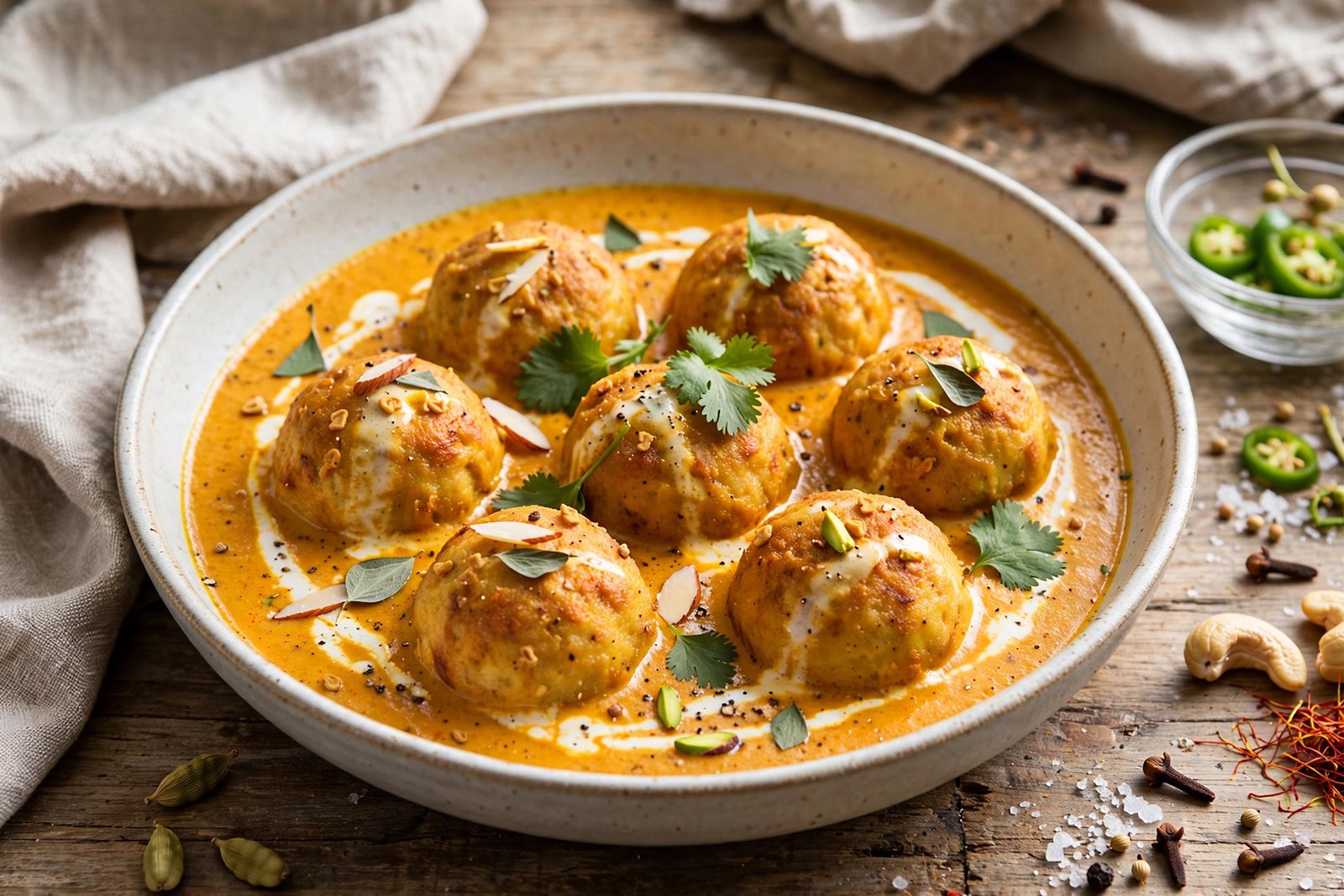
Chicken korma is the gentlest of the great Indian curries — tender chicken poached in a creamy, aromatic sauce of yoghurt, ground almonds, and warm spices. Mild, fragrant, and luxuriously smooth, it is the curry that wins over even the most spice-shy eaters and turns a weeknight dinner into something special.
The story behind Chicken Korma
Korma is one of the oldest curries in the Indian repertoire, and its roots run back to the Mughal courts of the sixteenth century. The word comes from the Turkish kavurma, meaning to braise, and the dish was the food of emperors — meat poached slowly in yoghurt, nuts and gentle spices, served at feasts where the cooking was meant to impress. It was rich, mild, and fragrant, and it has stayed that way for four hundred years.
What sets korma apart from other curries is what it leaves out. There is no tomato, no chili heat, no sharp edge. The sauce is built on caramelised onions, ground almonds and yoghurt, and the spices are warm rather than hot — cardamom, coriander, turmeric, saffron. The result is a curry that tastes luxurious without being heavy, and aromatic without being fiery. It is the curry that people who say they do not like curry end up loving.
The onions are the quiet heroes. They are fried until deep golden and blended into a paste, and that paste is what gives the sauce its body and its sweetness. It is a slow, patient step, and it cannot be rushed — pale onions make a thin, sharp sauce, while properly browned onions make one that is rich and rounded. The almonds add silkiness, the yoghurt adds a gentle tang, and the saffron adds a golden colour and a floral note that lifts the whole dish.
Korma is a dish for occasions, but it is easy enough for a weeknight. It takes 55 minutes, most of it gentle simmering, and it feeds four generously. Serve it with basmati rice or warm naan, a little cucumber salad on the side, and eat it slowly — this is a curry that rewards attention.
Make it when you want something rich and comforting without the heat, or when you are cooking for someone who is new to Indian food. Korma is the gentle introduction, the curry that opens the door, and it has been doing that job for centuries.
- Prep time
- 20 mins
- Cook time
- 35 mins
- Total time
- 55 mins
- Servings
- 4 servings
- Calories
- 640
Ingredients
- 1 1/2 lbs (680 g) boneless chicken thighs, cut into chunks
- 1 cup plain yogurt, whisked
- 1/2 cup blanched almonds, ground to a paste
- 2 large onions, thinly sliced
- 4 tablespoons ghee or butter
- 1 tablespoon grated ginger and 3 cloves garlic, minced
- 1 teaspoon ground coriander, 1/2 teaspoon turmeric, and 1/2 teaspoon ground cardamom
- 1 teaspoon garam masala
- 1/4 teaspoon saffron threads soaked in 2 tablespoons warm milk
- 1 teaspoon salt, or to taste
- 1/2 cup water
- 2 tablespoons chopped cilantro, for garnish
Instructions
- Start with the onions, because they need the most time. Melt the ghee in a large pot over medium heat and add the thinly sliced onions. Fry for about 10 minutes, stirring often, until they turn deep golden and caramelised, with sweet, crispy edges. This is the foundation of the sauce — pale onions make a pale korma, so give them the full time.
- Scoop the browned onions into a blender with a splash of water and blend into a smooth paste. Set it aside. The paste is what gives the korma its body and sweetness, and it should be completely smooth — any lumps will show up in the finished sauce.
- In the same pot, over medium heat, sauté the grated ginger and minced garlic in the remaining ghee for 1 minute, until fragrant. Add the ground coriander, turmeric and cardamom and stir for 30 seconds, so the spices bloom in the hot fat and release their aroma without burning.
- Add the chicken chunks and cook for about 5 minutes, turning them, until they turn opaque on the outside. The chicken does not need to cook through yet — it will finish in the sauce — but searing the outside seals in the juices and gives the sauce something to build on.
- Lower the heat to its gentlest setting and stir in the whisked yoghurt gradually, a spoonful at a time, stirring well after each addition. This is the moment that decides the sauce: if the pot is too hot, the yoghurt splits and turns grainy. Keep the heat low and the stirring steady.
- Stir in the almond paste and the onion paste, mixing well so the sauce turns smooth and pale gold. Add the water, the saffron milk and the salt, and bring the pot to the gentlest simmer — the surface should barely shiver, with the occasional lazy bubble breaking through.
- Cover and cook for 20 minutes, stirring occasionally, until the chicken is tender all the way through and the sauce is thick and creamy. The sauce should coat the back of a spoon and cling to the chicken, not run off it. If it thickens too much, add a splash of water.
- Stir in the garam masala and simmer for 2 minutes more, so its warmth reaches the whole pot. Garnish with the chopped cilantro and serve hot with basmati rice or warm naan, and eat it while the sauce is still glossy and the saffron is fragrant.
Pro tips
- Brown the onions well — the caramelised onion paste is what gives korma its sweetness and body. Pale onions make a pale, thin sauce.
- Keep the heat low after adding yoghurt and almonds; boiling can split the sauce and turn it grainy. The gentlest simmer is right for the rest of the cook.
- Chicken thighs stay juicier than breast in this gentle poach. Breast works too, but it dries out faster if the simmer runs long.
- A pinch of saffron lifts the whole dish — worth the small splurge. Soak the threads in warm milk first so the colour and flavour spread evenly.
- Whisk the yoghurt smooth before it goes in, and add it gradually. Lumpy yoghurt makes a lumpy sauce, and a hot pot splits it.
Variations & serving ideas
The protein can change easily. Lamb korma, made with diced lamb shoulder, is a classic — it needs a longer simmer, about 45 minutes, to turn tender, and the richness of the lamb suits the creamy sauce. Beef works the same way. Paneer is the best vegetarian swap: add the cubes in the last 10 minutes so they heat through without breaking apart, and use a vegetable stock in place of the water.
The nuts can flex too. Cashews, soaked and ground to a paste, give an even silkier sauce than almonds, and they are the classic substitute. Pistachios, ground fine, add a pale green colour and a delicate flavour. For a nut-free version, use a paste of soaked melon seeds or sunflower seeds — the texture is close, though the flavour is milder.
The spices can shift a little. A cinnamon stick simmered in the sauce adds warmth, a few whole cloves add depth, and a bay leaf adds a savoury note. A pinch of nutmeg stirred in with the garam masala at the end is a quiet luxury. Keep the changes small — korma is a gentle curry, and heavy-handed spice overwhelms it.
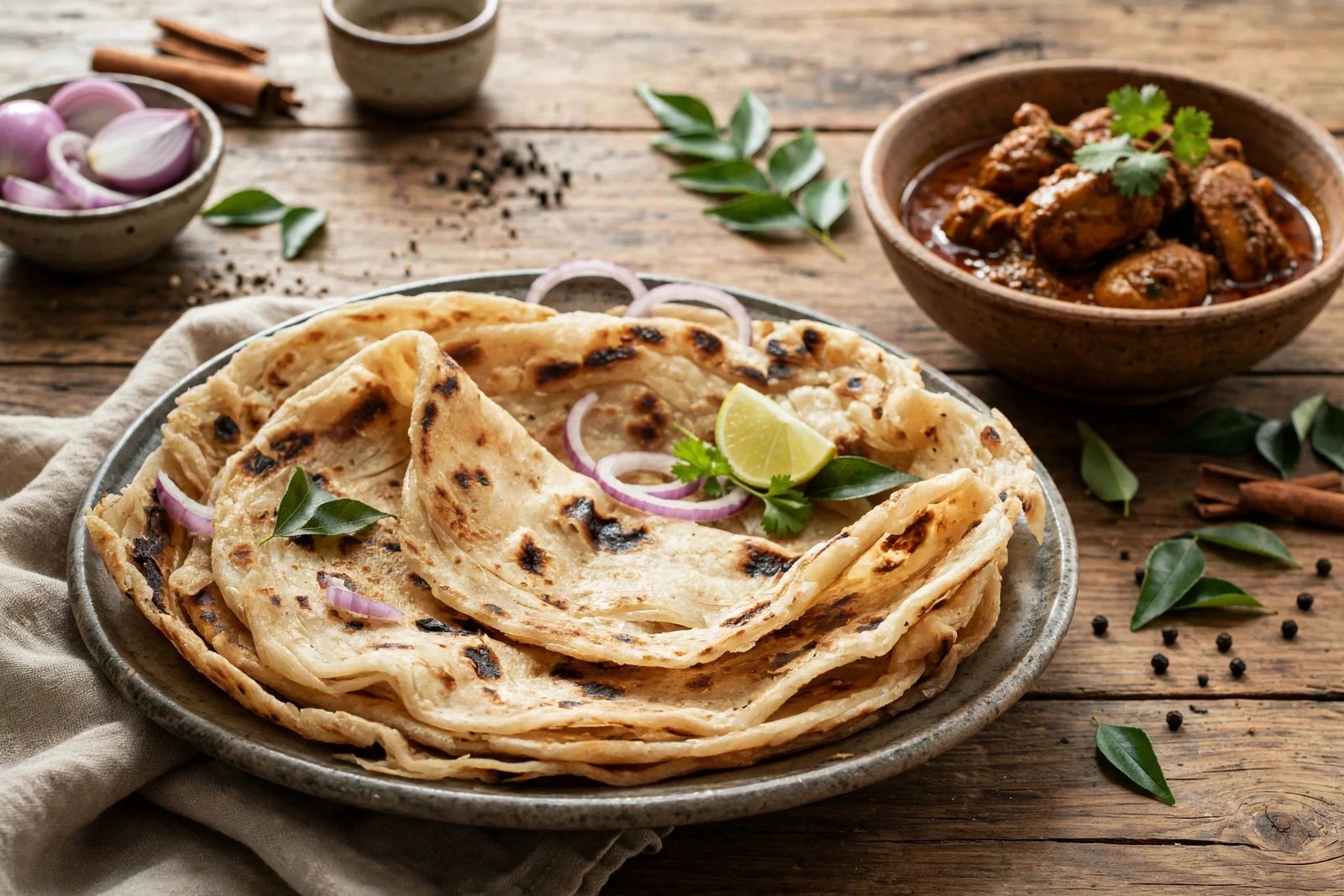
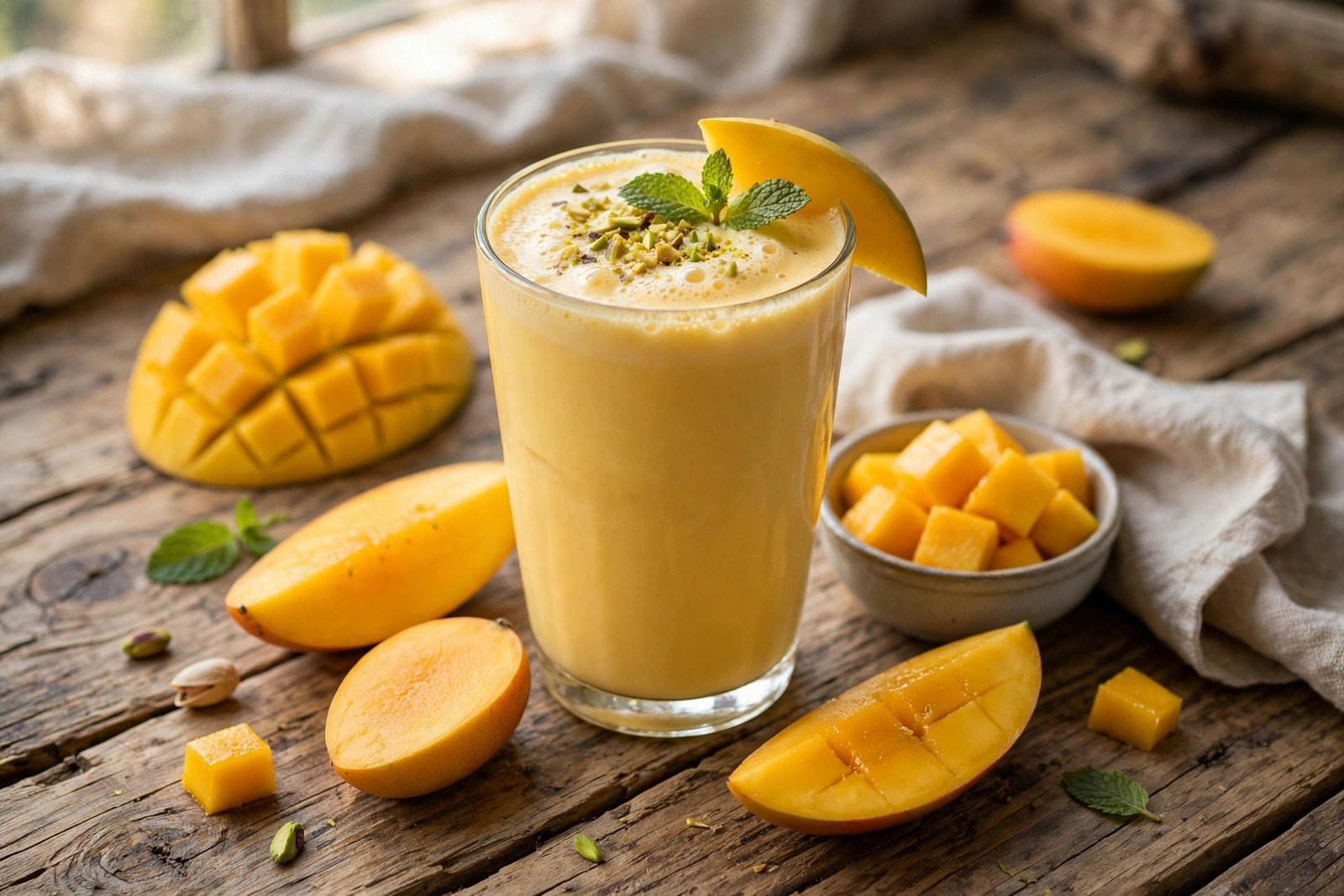
Serve korma with basmati rice, warm naan, or flaky parathas, and a simple cucumber salad to cut the richness. A little mango chutney on the side adds a sweet contrast, and a cold drink completes the plate. Korma is a complete meal on its own — no other curry needed.
Leftovers deserve a mention, because korma is one of those dishes that improves overnight. The spices settle, the sauce thickens, and the chicken soaks up even more flavour. A spoonful of cold korma in a sandwich, or warmed over rice the next day, is a lunch worth looking forward to.
Getting it right
The key technique is the onion paste, and it is a matter of patience. The onions need a full 10 minutes over medium heat to turn deep golden and caramelised — not pale, not burnt, but a rich amber that smells sweet and deep. Then they must be blended completely smooth, with a splash of water to help them along. Any lumps in the paste will show up in the finished sauce, so blend longer than you think you need to.
The yoghurt is the second skill, and it is all about heat. Yoghurt splits when it meets a hot pot, turning the sauce grainy and broken. The fix is to lower the heat to its gentlest setting before the yoghurt goes in, whisk the yoghurt smooth first, and stir it in gradually, a spoonful at a time. Once the yoghurt is in, the pot should never boil hard again — the gentlest simmer, with the surface barely shivering, is right for the rest of the cook.
The common mistakes are under-browned onions, a split sauce, and overcooked chicken. Pale onions make a thin sauce. A hot pot splits the yoghurt. And chicken left too long in the simmer turns stringy and dry — 20 minutes covered is enough for thighs to turn tender. If the sauce does split, whisk in a spoonful of cream off the heat, or blend the sauce briefly with a hand blender; it will not be perfect, but it will be much better.
One last detail: keep the pot at the gentlest simmer for the whole cook, with the surface barely shivering. A hard boil splits the yoghurt and toughens the chicken, while a lazy simmer lets the sauce thicken slowly and the flavours meld. If the sauce thickens too much, add a splash of water; if it is too thin, simmer uncovered for a few minutes.
Storing & reheating
Korma keeps well in the fridge for up to 3 days in a sealed container, and the flavour deepens overnight as the spices settle into the sauce. The sauce will thicken on standing, and the chicken will soak up even more flavour, so the second day is often better than the first.
Reheat gently in a saucepan over low heat, stirring often, and add a splash of water or cream if the sauce has thickened too much. Never bring it back to a hard boil, or the yoghurt can split. Korma also freezes well for up to 2 months — thaw in the fridge overnight and reheat the same way. The sauce may need a vigorous stir to come back together after freezing.
Frequently asked questions
Can I use cashews instead of almonds?
Yes — cashews ground to a paste are the classic substitute, and they give an even silkier texture. Use the same quantity by weight, and soak them in warm water for 20 minutes first so they blend smoothly.
Why did my yoghurt curdle in the korma?
The yoghurt was likely added to a too-hot pot. Lower the heat, whisk the yoghurt smooth first, and stir it in gradually off the boil. If it does split, whisking in a spoonful of cream sometimes brings it back.
How is korma different from butter chicken?
A korma is mild, creamy, and lightly spiced; butter chicken uses tomatoes and a tangier, buttery sauce with more heat. Korma has no tomato at all, and its richness comes from nuts and yoghurt rather than butter and cream.
What do you serve with chicken korma?
Basmati rice, naan, or flaky parathas. A simple cucumber salad cuts the richness nicely, and a little mango chutney on the side adds a sweet contrast.
Can I make korma with lamb or paneer?
Yes — lamb or beef work well, though they need a longer simmer, about 45 minutes, to turn tender. Paneer is the classic vegetarian swap, added in the last 10 minutes so it does not break apart.
Does korma keep well for leftovers?
Yes, korma keeps for 3 days in the fridge and the flavour deepens overnight. Reheat gently over low heat, stirring often, and add a splash of water or cream if the sauce has thickened too much.