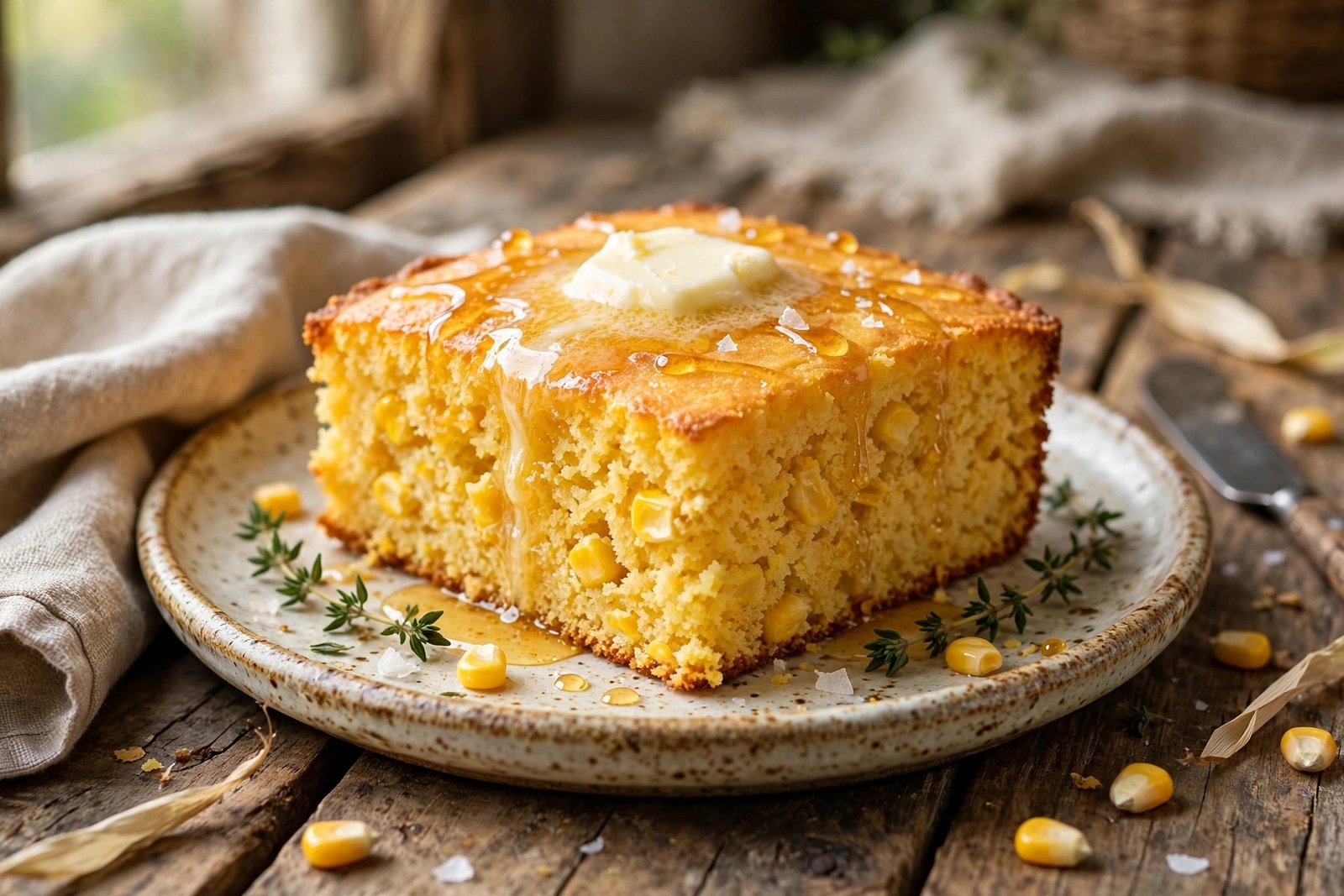
Coleslaw Recipe
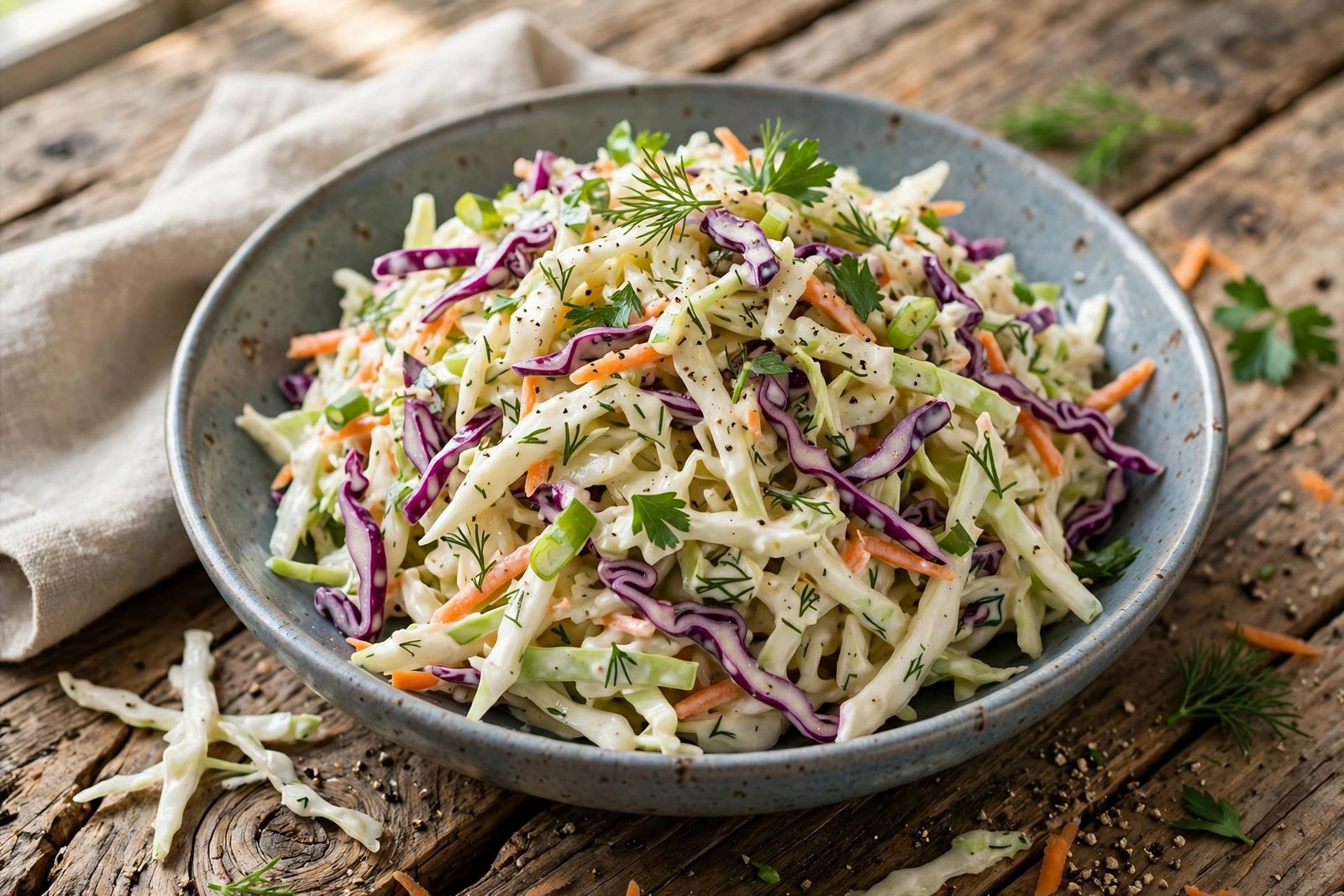
Crunchy cabbage and carrot in a creamy, tangy dressing, coleslaw is the cool sidekick to every barbecue. Fresh, crisp and ready in twenty minutes — and the bowl that empties first at every cookout, every time.
The story behind Coleslaw
Coleslaw comes from the Dutch. Koolsla, cabbage salad, arrived in America with Dutch settlers in the 18th century, and it stayed — cabbage was cheap, it kept well, and shredded raw cabbage with a tangy dressing was a bright, fresh contrast to heavy roasted meats. The mayonnaise version, the one most people know today, came later, when bottled mayonnaise became widely available in the early 20th century, and coleslaw became the creamy, tangy side dish of American barbecues and delis.
What makes it special is the crunch. Cabbage, shredded finely, is crisp and fresh in a way that no cooked vegetable can be, and the creamy dressing — mayonnaise, vinegar, mustard, sugar — coats every strand without weighing it down. The carrot adds sweetness and colour, the onion adds a sharp edge, and the celery seeds add a savoury, almost mysterious note that people taste without quite identifying. It is a simple dish, and it works because the balance is right.
In America, coleslaw is barbecue food, fried chicken food, burger food, and picnic food, all at once. It sits next to the pulled pork, on top of the burger, beside the fried chicken, and in the deli case next to the potato salad. In the American South, coleslaw on a pulled pork sandwich is not optional — it is the sandwich. And at every cookout, the coleslaw bowl is the one that empties first, because it is the cool, crisp contrast to everything hot and smoky on the table.
The dressing is the heart of it. Mayonnaise for creaminess, apple cider vinegar for tang, Dijon mustard for a sharp edge, sugar for a hint of sweetness, celery seeds for savouriness, salt and pepper to bring it together. The balance is personal — some people like it tangier, some sweeter, some richer — and the recipe is a starting point, not a law. Taste the dressing before it goes on the cabbage, and adjust it until it tastes right to you.
This recipe serves four as a side dish and takes twenty minutes, plus thirty minutes of chilling. It needs fresh cabbage, good mayonnaise, and apple cider vinegar — the ingredients are simple, and the work is mostly shredding. Make it for a barbecue, a picnic, or a weeknight dinner that needs something fresh. A bowl of coleslaw is a small, crisp pleasure, and small pleasures are the ones that matter.
- Prep time
- 20 mins
- Cook time
- 0 mins
- Total time
- 20 mins
- Servings
- 4 servings
- Calories
- 180
Ingredients
- 1/2 green cabbage, finely shredded
- 1/4 red cabbage, finely shredded
- 2 carrots, grated
- 1 small onion, finely chopped
- 150 g mayonnaise
- 2 tbsp apple cider vinegar
- 1 tbsp Dijon mustard
- 1 tbsp sugar
- 1 tsp celery seeds
- 1 tsp sea salt
- 1/2 tsp black pepper
- 2 tbsp fresh parsley, chopped
Instructions
- Shred the green cabbage and the red cabbage as finely as you can, using a sharp knife or a mandoline. The finer the shred, the better the texture — thick chunks of cabbage are tough and awkward to eat, while fine shreds are crisp and delicate. Grate the carrots on the coarse side of a box grater, and finely chop the onion.
- Put the shredded green cabbage, red cabbage, grated carrots and chopped onion in a large bowl. Toss them together with your hands so the colours are evenly mixed — the red cabbage will stain the green slightly, which is fine and looks beautiful. The bowl should be large enough to toss the slaw without spilling it.
- Make the dressing in a separate bowl: whisk the mayonnaise, apple cider vinegar, Dijon mustard, sugar, celery seeds, salt and black pepper together until smooth. The dressing should be creamy and pourable, with a tangy smell from the vinegar and a sharp edge from the mustard. Whisk it well so the sugar dissolves.
- Taste the dressing before it goes on the cabbage. It should be creamy, tangy, and lightly sweet, with a savoury note from the celery seeds. If it tastes too rich, add a splash more vinegar; if it tastes too sharp, add a pinch more sugar. The dressing is the flavour of the whole dish, so it is worth getting right.
- Pour the dressing over the vegetables and toss well with tongs or two spoons, until every strand of cabbage is coated. The slaw should be glossy and well dressed, not swimming in dressing — if there is a pool at the bottom of the bowl, you have used too much. Add the dressing gradually if you are unsure.
- Cover the bowl and chill the coleslaw in the fridge for at least 30 minutes. The chilling time lets the flavours develop and meld, and the cabbage softens slightly — just enough to take the raw edge off, while staying crisp. A coleslaw eaten immediately after dressing tastes like cabbage with dressing on it; a chilled coleslaw tastes like coleslaw.
- Take the slaw out of the fridge and taste it again. The cabbage will have released a little water, which thins the dressing slightly, so adjust the salt and vinegar — a pinch more salt, a splash more vinegar, whatever it needs. The slaw should taste bright and balanced, not flat or watery.
- Scatter the chopped parsley over the top and serve the coleslaw chilled, in a bowl on the table, alongside barbecue, burgers or fried chicken. It is at its best in the first few hours after making, while the cabbage is still crisp and the dressing is still creamy.
Pro tips
- Shred the cabbage as finely as you can for the best texture. Fine shreds are crisp and delicate, and they coat evenly with dressing; thick chunks are tough and awkward. A sharp knife, a mandoline, or the slicing disc of a food processor all work — the key is even, fine shreds.
- Chill before serving; the cabbage softens slightly and the flavours meld. Thirty minutes in the fridge is the minimum, and an hour is better. The dressing soaks into the cabbage, the vinegar mellows, and the slaw becomes a dish instead of a pile of vegetables with dressing on top.
- Add the dressing just before chilling so the slaw stays crunchy, not soggy. Cabbage dressed hours ahead goes soft and watery, as the salt in the dressing draws water out of the leaves. Dress it, chill it for 30 minutes to an hour, and serve it — that is the window for the best texture.
- A splash more vinegar brightens it up if it tastes too rich. Mayonnaise is rich, and a dressing that is all mayonnaise tastes heavy. The vinegar is what cuts through the richness and keeps the slaw fresh — if the slaw tastes flat or heavy, vinegar is almost always the fix.
- Dry the cabbage well after washing it, or the dressing will be watered down. Wet cabbage releases water into the dressing and makes the slaw thin and watery. Spin it dry in a salad spinner, or spread it on a clean tea towel and pat it dry before the dressing goes on.
Variations & serving ideas
Vinegar slaw is the lighter cousin: skip the mayonnaise and dress the cabbage with oil, vinegar, sugar, mustard and celery seeds instead. It stays lighter and sharper, it keeps longer in the fridge, and it suits people who find creamy coleslaw too rich. It is the version served in parts of the American South, where it goes on pulled pork sandwiches.
An Asian-style slaw swaps the dressing for rice vinegar, soy sauce, sesame oil, ginger and a little honey, with sesame seeds and chopped spring onions on top. The cabbage stays the same, but the flavour is entirely different — savoury, nutty, and bright. It suits grilled chicken and fish, and it is a good way to use up a cabbage.
Apple and walnut coleslaw adds a grated apple and a handful of chopped walnuts to the classic recipe. The apple adds sweetness and crunch, the walnuts add richness and texture, and the combination turns the slaw into something closer to a salad. A handful of raisins, soaked in warm water first, adds sweetness too.
For a lighter dressing, replace half the mayonnaise with Greek yoghurt, or use light mayonnaise. The slaw stays creamy but loses some of the richness, and the yoghurt adds a tang that suits the cabbage. A yoghurt-only dressing, with lemon juice instead of vinegar, is the lightest version of all.
Other vegetables can join the bowl: thinly sliced peppers, spring onions, grated apple, or shredded red cabbage on its own for a dramatic purple slaw. The cabbage is the base, and the additions are yours to choose — keep the shreds fine, the dressing balanced, and the slaw chilled, and it will work.
Getting it right
Shredding is the first technique, and it decides the texture. Fine, even shreds are crisp and delicate, and they coat evenly with dressing. Thick, uneven chunks are tough and awkward, and they sit in the dressing instead of absorbing it. A sharp knife and a steady hand, or a mandoline with the guard on, gives you the fine shreds that make the difference.
The dressing balance is the second skill. Mayonnaise for creaminess, vinegar for tang, mustard for a sharp edge, sugar for sweetness, celery seeds for savouriness, salt and pepper to bring it together. Taste the dressing before it goes on the cabbage, and adjust it — too rich means more vinegar, too sharp means more sugar, too flat means more salt. The dressing is the flavour of the whole dish.
The most common mistakes are soggy slaw, bland slaw, and watery slaw. Soggy slaw means it was dressed too early or with too much dressing — dress it 30 minutes before serving, and add the dressing gradually. Bland slaw means under-seasoning — taste the dressing and adjust it. And watery slaw means the cabbage was wet or the salt drew water out of the leaves — dry the cabbage well and do not dress it hours ahead.
Storing & reheating
Coleslaw keeps for 2 days in the fridge in a sealed container, but it softens a little over time, so make it the same day for maximum crunch. The cabbage releases water as it sits, which thins the dressing, so drain off any excess liquid and add a splash of vinegar before serving leftovers.
For the best texture, store the shredded vegetables and the dressing separately, and toss them together 30 minutes before serving. The vegetables keep for 3 days in the fridge, and the dressing keeps for a week in a sealed jar. Do not freeze coleslaw — the cabbage goes limp and watery on thawing, and the mayonnaise splits.
Frequently asked questions
Can I make coleslaw ahead?
Yes, it keeps for 2 days in the fridge. It softens a little over time, so make it the same day for maximum crunch. For the best texture, store the vegetables and the dressing separately and toss them together 30 minutes before serving.
What is the difference between coleslaw and vinegar slaw?
Creamy coleslaw uses a mayonnaise dressing, while vinegar slaw uses an oil and vinegar dressing and stays lighter and sharper. Vinegar slaw keeps longer in the fridge and suits people who find creamy coleslaw too rich. Both are served with barbecue, and both are correct.
Can I add other vegetables?
Yes, sliced peppers, spring onions or grated apple all work nicely in coleslaw. Thinly sliced fennel, grated celeriac, or shredded Brussels sprouts are good additions too. Keep the shreds fine and the dressing balanced, and the slaw will work.
Is coleslaw healthy?
It is mostly fresh vegetables. Use light mayonnaise or a yoghurt dressing to keep the calories down. The cabbage, carrots and onion are all nutritious, and the dressing is the only part that adds significant calories — a yoghurt dressing makes the slaw genuinely light.
Why is my coleslaw watery?
Cabbage releases water as it sits, especially once salted. Dry the cabbage well before dressing it, dress it 30 minutes before serving rather than hours ahead, and drain off any excess liquid before serving. Salting the cabbage and draining it for 20 minutes before dressing also helps.
Can I use a bagged coleslaw mix?
Yes, bagged coleslaw mix is convenient and works well, as long as it is fresh. Check that the cabbage is crisp and not wilted or brown at the edges. The mix usually contains green cabbage, red cabbage and carrot — add your own onion and dressing, and the slaw is ready in minutes.