Bua Loy Recipe
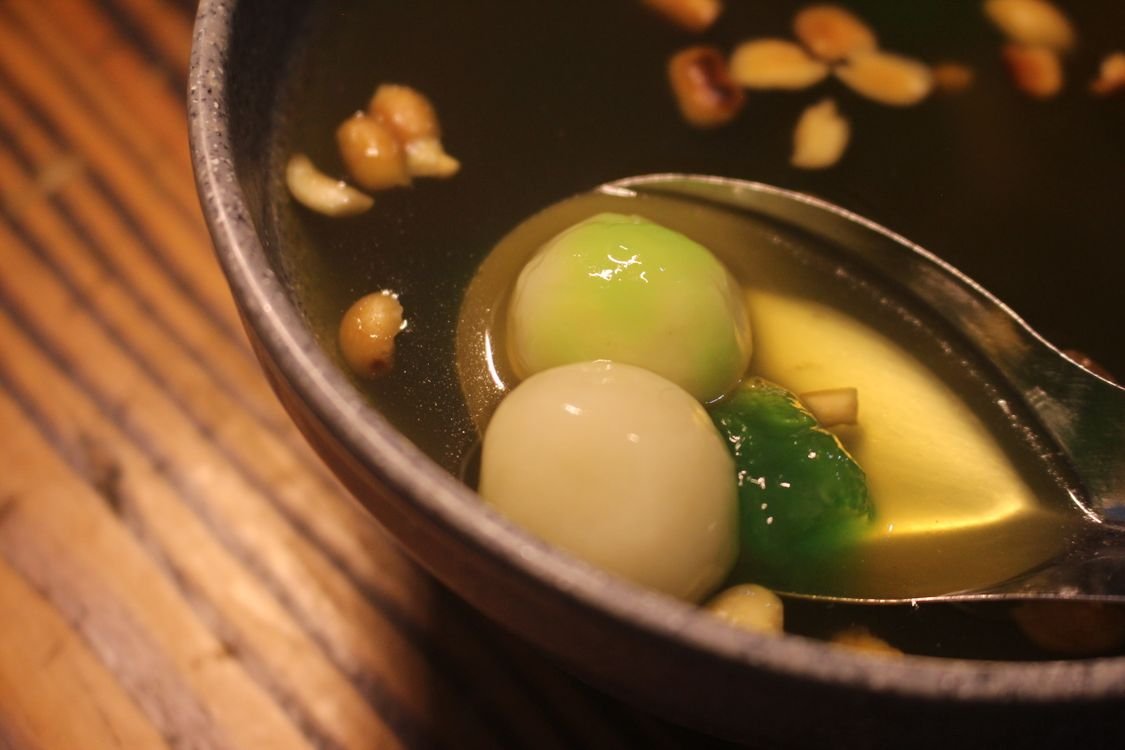
Soft, chewy balls of glutinous rice flour floating in warm, sweet coconut milk, scented with pandan and finished with a pinch of salt. Bua loy means floating lotus in Thai, and the little balls bob in the milk like lotus buds on water. It is a gentle, comforting dessert, simple to make and deeply satisfying, and it is lovely on an Australian winter night, served warm in small bowls with a spoon.
The story behind Bua Loy
Bua loy is one of Thailand's oldest desserts, and it comes from the same family of glutinous rice sweets found across Southeast Asia. The rice flour is mixed with water and kneaded into a soft dough, rolled into small balls, and cooked in boiling water until they float. The name describes exactly what you see in the bowl: little round balls floating in milky liquid, like lotus buds drifting on a pond.
The dessert is traditionally coloured with natural ingredients. Pandan leaf gives a soft green colour and a grassy, vanilla-like scent, butterfly pea flower turns the balls blue, and pumpkin or carrot gives a warm orange. Street vendors in Thailand sell bua loy from carts in the evening, scooping the warm balls into bowls with coconut milk, and customers eat them sitting on small stools while the night market buzzes around them. Vendors often colour the balls with pandan, butterfly pea or pumpkin, so a bowl of bua loy can be green, blue and orange all at once, like a handful of jewels in milk.
What makes bua loy special is its texture. The balls are soft and chewy, with a gentle bounce when you bite them, and the warm coconut milk is rich without being heavy. A pinch of salt in the milk is essential, because it sharpens the sweetness and makes the coconut taste more like itself. An egg, poached gently in the milk, is the classic addition for those who want something richer.
Cook bua loy when you want a quiet, comforting dessert after a spicy Thai meal. It is lovely on an Australian winter night, when something warm and sweet is exactly right, and it is also a good dessert to make with children, who love rolling the little balls and watching them float. The whole dessert takes about fifty minutes, and most of that is gentle, unhurried work. It is also a lovely dessert to make with children on a rainy afternoon, because rolling the little balls is simple, hands-on work and the moment they float is genuinely exciting to watch. Let each child roll their own batch, and they will be far more interested in eating the result.
- Prep time
- 30 mins
- Cook time
- 20 mins
- Total time
- 50 mins
- Servings
- 4 servings
- Calories
- 350
Ingredients
- 200g glutinous rice flour
- 120ml warm water, plus extra as needed
- 1 tablespoon sugar, for the dough
- 400ml coconut milk
- 100ml water
- 80g sugar, or to taste
- 1/4 teaspoon salt
- 2 pandan leaves, tied in a knot
- 1 tablespoon tapioca flour, for dusting
- 1 large egg, optional
- Toasted sesame seeds, to serve
- Fresh coconut flesh, thinly sliced, optional
Instructions
- Put the glutinous rice flour and the tablespoon of sugar in a large bowl and pour in the warm water a little at a time, mixing with your hands. Knead for 3 to 4 minutes until the dough is smooth, soft and pliable, like play dough. If it cracks, add water a teaspoon at a time; if it sticks to your hands, dust in a little more flour.
- Divide the dough into four pieces and roll each one into a long rope about 1cm thick on a lightly floured surface. Cut the ropes into small pieces about 1cm long, then roll each piece between your palms into a smooth ball.
- Bring a large pot of water to a rolling boil. Drop the balls in a few at a time, stirring gently once so they do not stick to the bottom. The balls will sink at first, then rise to the surface as they cook, which takes about 2 to 3 minutes. This is where the name comes from: they float when they are ready.
- Lift the cooked balls out with a slotted spoon and drop them straight into a bowl of cold water. This stops the cooking and keeps them from sticking together or going mushy. Leave them in the cold water while you make the coconut milk, and they will stay soft and separate.
- Pour the coconut milk and 100ml of water into a saucepan and add the sugar, salt and knotted pandan leaves. Warm over medium heat, stirring until the sugar dissolves, and let it come to a gentle simmer.
- If you are adding an egg, crack it into a small cup first, then slide it gently into the simmering coconut milk. Poach it for 2 to 3 minutes until the white is set but the yolk is still soft, then lift it out carefully with a slotted spoon and set it aside. One egg per bowl is the traditional serving.
- Drain the rice balls and add them to the warm coconut milk. Simmer gently for 2 minutes so the balls warm through and absorb a little of the sweet milk. They should look plump and glossy, and the milk should smell of pandan and coconut. Remove the pandan leaves before serving.
- Taste the milk and adjust the sweetness and salt. It should be gently sweet with a clear salty edge that makes the coconut flavour stand out. If it tastes flat, add a pinch more salt rather than more sugar, because salt is what lifts the coconut.
- Ladle the bua loy into small warm bowls, making sure each bowl gets plenty of balls and milk. Top with a poached egg if you made one, scatter over toasted sesame seeds and a few slices of fresh coconut, and serve warm with a spoon. Eat it while the balls are still soft and the milk is steaming.
Pro tips
- Use glutinous rice flour, not regular rice flour, because only glutinous rice flour gives the soft, chewy texture. Regular rice flour makes hard, gritty balls that never soften properly. Look for it in Asian grocery shops, where it is usually labelled sweet rice flour.
- Roll the balls small and even, about the size of a marble. Large balls take longer to cook and turn stodgy in the middle, while uneven balls cook at different speeds and some will be raw while others are overdone.
- Keep the coconut milk at a gentle simmer and never let it boil hard. Boiling splits coconut milk into grainy curds and oil, and the dessert will look and taste rough instead of smooth and silky.
- Drop the cooked balls into cold water straight away. This stops them cooking further and keeps them separate. If you leave them in the hot cooking water, they will keep softening and stick together into a single lump.
- Taste the milk before you serve it. The balance of sweet and salty is personal, and a pinch more salt often does more than extra sugar. The milk should taste like coconut first and sugar second.
Variations & serving ideas
For coloured bua loy, divide the dough into three parts and knead a different natural colour into each: pandan juice for green, butterfly pea tea for blue, and pumpkin puree for orange. Use a little less water when you add a liquid colouring, and keep the balls small so the colours stay bright. Keep the coloured doughs separate and roll them one colour at a time, because the colours can bleed into each other if the balls sit together while they are still wet.
Add diced taro, sweet potato or pumpkin to the coconut milk and simmer until tender for a heartier version, sometimes called bua loy with all the trimmings. The starchy vegetables soak up the sweet milk and make the dessert more filling, and the different textures make every spoonful interesting. For a pandan version, blend fresh pandan leaves with a little water and strain the juice into the dough instead of plain water. The balls turn a soft green and carry the grassy, vanilla-like scent of pandan through the whole dessert. Use about 60ml of pandan juice and reduce the water accordingly. Young coconut flesh, cut into thin strips, can also join the milk, adding a delicate chew that matches the rice balls. Look for it in the freezer section of Asian grocery shops.
For a richer version, use coconut cream instead of coconut milk for half the liquid, and add a spoonful of palm sugar instead of white sugar. Palm sugar gives a deeper, caramel-like sweetness that suits the coconut beautifully. Warm it gently until it dissolves completely. A pinch of salt in the palm sugar version is even more important, because the deep sweetness of palm sugar needs the salt to keep it from tasting one-dimensional and cloying.
Serve bua loy warm in winter and chilled in summer. For a cold version, let the coconut milk cool completely, chill the balls in the milk for an hour, and serve over crushed ice with toasted sesame seeds. In Australia it makes a lovely light dessert after a barbecue, when something cool and sweet is exactly right. For a party, set up a small bua loy station with the warm milk in a pot and the balls in a bowl, so guests can serve themselves. It keeps everyone happy and the cook free to enjoy the evening.
Getting it right
The key technique is the dough. It should be soft, smooth and pliable, holding together without cracking or sticking. Add the water slowly, a little at a time, because glutinous rice flour absorbs water gradually and it is easy to overshoot. If the dough does crack when you roll it, wet your hands lightly and knead for another minute. Knead the dough on a clean work surface until it feels smooth and springs back lightly when you press it with a fingertip.
Watching the balls float is the best guide to when they are cooked. They sink when they first go in, then rise to the surface after two to three minutes. Leave them for another thirty seconds after they float, then lift them out. Any longer and they will turn soft and lose their bounce. Keep a small bowl of water nearby while you roll, so you can wet your hands if the dough starts to dry out and crack.
The most common mistake is boiling the coconut milk too hard. Coconut milk is an emulsion, and a rolling boil breaks it apart into grainy curds and separated oil. Keep the heat at a gentle simmer, stir often, and take the pan off the heat the moment it starts to bubble vigorously. Another common mistake is making the balls too big, which leaves them doughy in the middle while the outside turns soft and sticky. Keep them the size of a small marble, roll them evenly, and they will cook through in two to three minutes and stay pleasantly chewy.
Storing & reheating
Bua loy is best eaten the day it is made, because the balls firm up as they cool. If you have leftovers, store the balls and the milk separately in the fridge for up to 1 day, and warm them gently together before serving. If the balls firm up in the fridge, warm them gently in the coconut milk over low heat for two minutes and they will soften again. Do not boil them, or they will turn mushy and fall apart in the milk.
You can freeze the uncooked balls for up to 1 month. Lay them on a tray dusted with tapioca flour, freeze until solid, then pack them into a bag. Cook from frozen, adding an extra minute to the boiling time, and make the coconut milk fresh on the day. The cooked dessert does not freeze well.
Frequently asked questions
What does bua loy mean?
Bua loy means floating lotus in Thai. The name describes the small glutinous rice balls floating in coconut milk, which look like lotus buds drifting on water. It is one of Thailand's oldest desserts. The little rice balls bob in the milk like lotus buds on water.
Can I make bua loy without pandan leaves?
Yes, you can leave the pandan out and the dessert will still be delicious, though it will miss the grassy, vanilla-like scent. A drop of vanilla extract or a strip of lime zest in the milk gives a different but pleasant aroma.
Why are my bua loy balls hard?
The most common cause is using regular rice flour instead of glutinous rice flour, which never gives the right chewy texture. Overcooking also hardens them, so lift the balls out soon after they float, and do not leave them sitting in hot water.
Can I make bua loy ahead of time?
You can make the balls a few hours ahead and keep them in cold water, then warm them in fresh coconut milk just before serving. The dessert is best eaten the same day, because the balls firm up overnight even in the fridge.
Is bua loy gluten-free?
Yes, glutinous rice flour contains no wheat and no gluten, despite the name. The word glutinous refers to the sticky texture, not to gluten. Check that your coconut milk and any colourings are also gluten-free, and the dessert is safe for a gluten-free diet.
Do I have to add an egg to bua loy?
No, the egg is optional. It is the traditional addition, poached gently in the coconut milk, and it makes the dessert richer. Many people prefer bua loy without egg, especially as a light dessert after a big meal, and it is just as good.