Chole Bhature Recipe

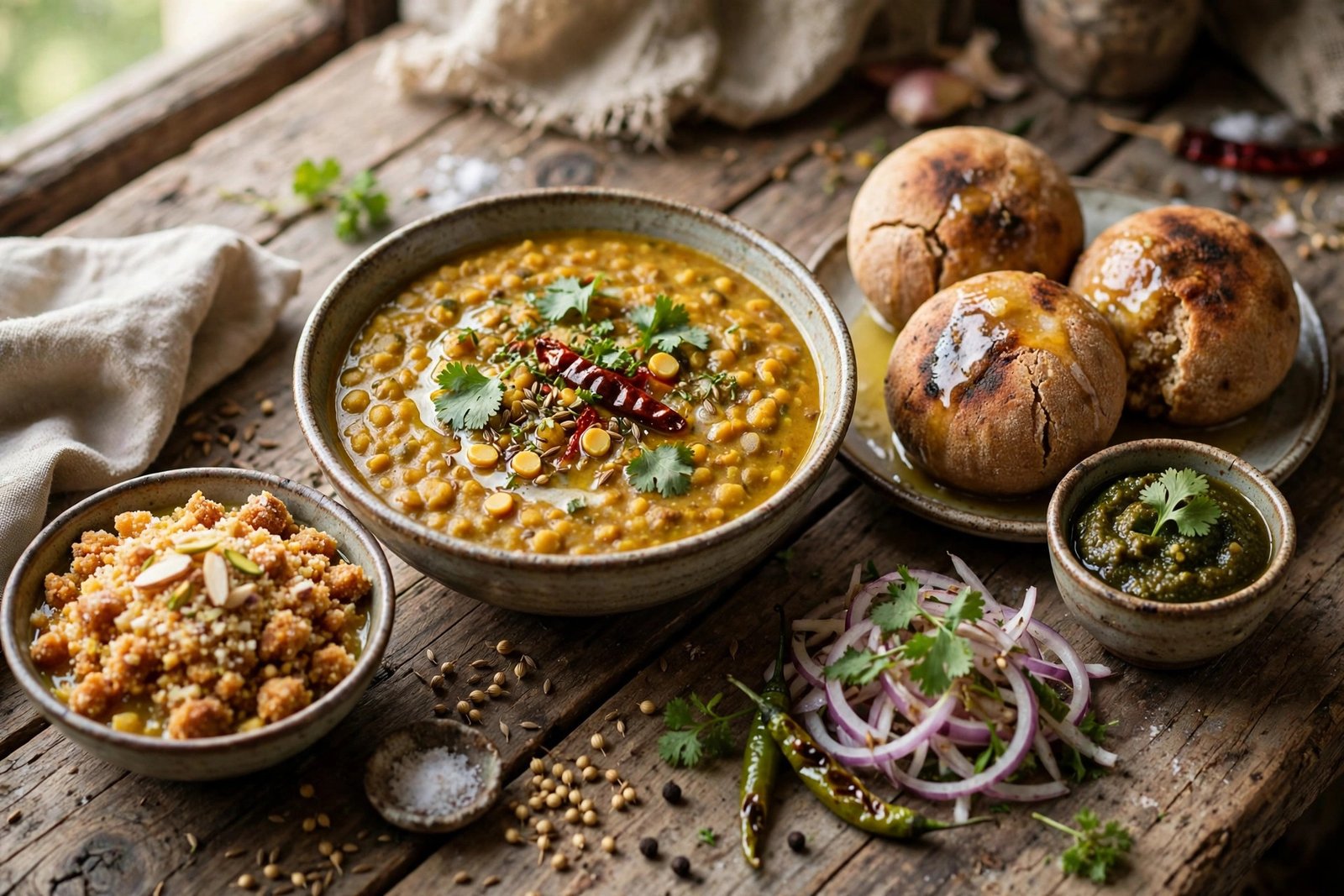
Chole bhature is Punjab's most beloved feast: spicy, tangy chickpeas in a rich, dark gravy, served with puffy, golden bhature that balloon in hot oil. It is bold, hearty, and impossible to eat just one plate of. Make it for a weekend brunch or a family gathering, and serve it hot with onions and pickles on the side.
The story behind Chole Bhature
Chole bhature is the dish that defines a Punjabi weekend. In Amritsar and Delhi, the stalls open early, the bhature puff up in huge vats of oil, and the chole simmers in dark, spiced gravy, ready for the morning crowd. It is street food and celebration food at once, eaten standing at a stall or sitting cross-legged at home, and it has a following that borders on devotion.
The chole is the heart of it. Dried chickpeas, soaked overnight and pressure-cooked until tender, simmer in a masala of onion, tomato, ginger, and spices, with a tea bag in the cooking water that gives the chickpeas their characteristic dark colour. The gravy is thick and tangy, with a gentle heat from chilli and a warmth from garam masala, and a few chickpeas mashed against the side of the pan thicken it naturally.
The bhature are the show. A soft dough of flour, yoghurt, and baking soda, rested for two hours, rolled into ovals and slipped into hot oil, where they puff up like balloons in thirty seconds. They should be golden, crisp at the edges, soft inside, and light enough that you can eat two without thinking. The contrast between the puffy bread and the rich, spicy chickpeas is what makes the dish.
This is a dish for slow mornings and full tables. It takes about an hour and ten minutes, plus soaking and resting time, and it serves four generously. Make it when you want to cook something that feels like a celebration, and serve it hot, with the bhature coming straight from the oil to the plate. The first bite, a piece of puffy bread scooped through the spicy chickpeas, is one of the great pleasures of Indian cooking.
- Prep time
- 25 mins
- Cook time
- 45 mins
- Total time
- 1 hr 10 mins
- Servings
- 4 servings
- Calories
- 720
Ingredients
- 2 cups dried chickpeas, soaked overnight
- 1 tea bag (for color)
- 2 cups all-purpose flour, 1/2 cup plain yogurt, 1 teaspoon baking soda, 1 teaspoon sugar, and 1/2 teaspoon salt
- 2 tablespoons oil, plus more for frying
- 1 large onion, finely chopped
- 1 tablespoon ginger-garlic paste
- 3 medium tomatoes, pureed
- 2 teaspoons chole masala, 1 teaspoon cumin powder, 1 teaspoon coriander powder, and 1/2 teaspoon red chili powder
- 1 green chili, slit
- 1 tablespoon ghee
- 1/2 teaspoon garam masala
- 2 tablespoons chopped fresh cilantro
Instructions
- Drain the soaked chickpeas and put them in a pressure cooker with the tea bag and 4 cups of fresh water. The tea bag is traditional: it darkens the chickpeas and adds a subtle depth to the gravy.
- Pressure-cook for 20 minutes until the chickpeas are tender but not falling apart. You should be able to squash one easily between your fingers. Discard the tea bag and reserve the cooking liquid; it is full of flavour and thickens the gravy.
- While the chickpeas cook, make the bhature dough. Mix the 2 cups of flour, half cup of yoghurt, teaspoon of baking soda, teaspoon of sugar, and half teaspoon of salt with 2 tablespoons of oil. Knead into a soft, smooth dough, adding a little water if it feels dry.
- Cover the dough with a damp cloth and rest it for 2 hours. This rest lets the baking soda work and relaxes the gluten, which is what makes the bhature puff up instead of staying flat.
- Heat the tablespoon of ghee in a large pan over medium heat. Cook the finely chopped onion for 7 minutes, stirring often, until deep golden. This takes patience; pale onions give a pale, flat gravy.
- Add the tablespoon of ginger-garlic paste and cook for 1 minute until the raw smell fades. Then add the pureed tomatoes, chole masala, cumin, coriander, and red chilli powder. Cook for 8 minutes, stirring, until the oil separates from the masala and the mixture darkens.
- Add the cooked chickpeas with 1 cup of their cooking liquid and the slit green chilli. Stir well and simmer for 12 minutes, until the gravy thickens and coats the chickpeas. The chickpeas should be glossy and the sauce should cling to them.
- Mash a few chickpeas against the side of the pan with the back of a spoon to thicken the gravy naturally. Stir in the half teaspoon of garam masala and the chopped cilantro. Taste and adjust the salt.
- Divide the rested dough into 8 equal balls. Roll each into a 6-inch oval, about 3 mm thick, on a lightly oiled surface. Roll evenly; thick spots will not puff.
- Heat oil in a deep pan to about 180°C (350°F). Slip a bhatura in gently and press it down lightly with a slotted spoon; it should puff up within seconds. Fry for 30 seconds per side until puffed and golden, then drain on a wire rack. Serve the hot chole with the bhature, sliced onions, and pickles.
Pro tips
- Soak the chickpeas overnight. Unsoaked chickpeas take much longer to cook and never get as tender, and the gravy will not have the same body.
- Cook the onions until deep golden, not just soft. The colour of the onions is the colour of the gravy, and pale onions give a pale, thin-tasting chole.
- Rest the bhature dough for the full 2 hours. A short rest means flat, dense bhature that will not puff, no matter how hot the oil is.
- Fry the bhature one at a time in hot oil. Crowding the pan drops the temperature and the bread absorbs oil instead of puffing.
- Mash a few chickpeas to thicken the gravy. It is the traditional way to get a thick, clinging sauce without adding flour or cream.
Variations & serving ideas
The chole can be adjusted to taste. For a tangier version, add a spoon of amchur, dried mango powder, or a squeeze of lemon juice at the end. For more heat, add an extra green chilli or a pinch of red chilli flakes. Some cooks add a spoon of pomegranate seeds for a sweet-sour pop, and a few add diced potatoes to the gravy, which makes it heartier and stretches the dish further.
The bhature can change too. Stuffed bhature, filled with spiced potatoes or paneer before rolling, are a treat worth trying. For a lighter version, cook the rolled dough on a hot griddle instead of deep-frying; it will not puff the same way, but it is still good bread. Whole wheat flour can replace half the white flour for a nuttier, denser bhatura.
Serving is part of the ritual. The chole goes into a bowl, the bhature on a plate beside it, still puffed and hot from the oil, with sliced onions, green chillies, and pickles on the side. A glass of sweet lassi is the classic drink, cooling and rich, and it balances the spice of the chole beautifully.
Chole bhature is a weekend dish, but the chole on its own is a great weeknight curry. Make a double batch of chickpeas, freeze half, and serve it with rice or plain roti during the week. The bhature are best made fresh, but the chole only gets better with time.
If you are making chole bhature for a crowd, the chole is the easy part to scale: double the chickpeas and the masala, use your largest pot, and the gravy will be even better, since a bigger batch simmers more evenly. The bhature are the bottleneck, because they must be fried one at a time and eaten hot, so set up a frying station and let people eat in waves, with the first bhature going to the table while the next ones fry. A good rhythm is to have one person rolling and one person frying, which keeps the plates full without a long wait. The dough can be made the night before and refrigerated, which splits the work and actually improves the texture, since the long, slow rest develops more flavour. Bring it to room temperature for thirty minutes before rolling, or it will be stiff and hard to shape. One practical note: the oil for frying needs to stay hot, so use a deep, heavy pan that holds its temperature, and let the oil recover for thirty seconds between bhature. If the oil cools down, the bread absorbs it instead of puffing, and you will end up with greasy, flat discs. And if you have leftover chole, it freezes beautifully, so a double batch is never wasted.
Getting it right
The key technique is building the masala properly. The onions cook until deep golden, which takes a full seven minutes and cannot be rushed. Then the tomato puree and spices cook for eight minutes until the oil separates, which is the visual sign that the raw taste has cooked out and the flavours have concentrated. Skipping or shortening these steps gives you a gravy that tastes raw and thin, no matter how good the chickpeas are.
The bhature technique is all about the dough and the oil. The dough needs its two-hour rest, which lets the baking soda activate and the gluten relax, and the oil needs to be hot, around 180°C, so the bread puffs instantly on contact. Pressing the bhatura down gently with a spoon for the first few seconds helps it puff evenly. If the oil is too cool, the bread sits and absorbs oil; too hot, and it browns before it puffs.
Common mistakes are easy to fix. Flat bhature usually mean the dough was not rested long enough or the oil was not hot enough; give it the full rest and check the temperature. Watery chole means not enough cooking liquid was reduced, or too few chickpeas were mashed; simmer longer and mash more. Bland chole usually needs more salt or more chole masala; taste at the end and adjust. And chickpeas that stay hard were either not soaked long enough or are old stock; buy fresh dried chickpeas and soak them overnight.
Storing & reheating
Chole keeps in the fridge for up to four days in a sealed container, and it freezes beautifully for up to three months. In fact, the flavour improves overnight as the spices settle into the gravy. Reheat gently in a pan with a splash of water, stirring, until heated through.
Bhature are best eaten fresh, straight from the oil, and they do not store well. Leftover bhature can be kept for a day in a sealed bag at room temperature and reheated in a hot oven for a few minutes, but they will not puff again. The dough can be refrigerated overnight and rolled the next day, which is a good way to split the work across two days.
Frequently asked questions
What is chole bhature?
Chole bhature is a Punjabi dish of spicy chickpea curry served with puffy deep-fried bread called bhature. The chickpeas are cooked with onion, tomato, and spices until thick and tangy, and the bhature puff up like balloons in hot oil. It is a popular street food and weekend brunch dish.
Why is there a tea bag in the chickpeas?
The tea bag darkens the chickpeas to their characteristic deep brown colour and adds a subtle depth to the gravy. It is a traditional Amritsari technique. Remove the tea bag after pressure-cooking; the colour and flavour stay in the chickpeas.
Why won't my bhature puff up?
Flat bhature usually mean the dough was not rested long enough or the oil was not hot enough. Rest the dough for the full 2 hours, roll it evenly to about 3 mm, and fry in oil at 180°C. Press the bhatura down gently with a spoon for the first few seconds to help it puff.
Can I use canned chickpeas?
Yes, use two 400 g cans, drained and rinsed. The gravy will be slightly less rich without the starchy cooking liquid, so mash a few extra chickpeas to thicken it. Dried chickpeas give a better texture and colour, but canned ones work well for a quick version.
Can I make chole ahead of time?
Yes, chole keeps for up to four days in the fridge and freezes for up to three months. It often tastes better the next day. Reheat gently with a splash of water. Make the bhature fresh, as they do not store well.
What do I serve with chole bhature?
Sliced onions, green chillies, and pickles are the classic accompaniments, with a glass of sweet lassi to drink. Serve the chole in a bowl and the bhature hot from the oil on a plate beside it. A simple salad adds freshness.