Santorini Tomato Fritters Recipe
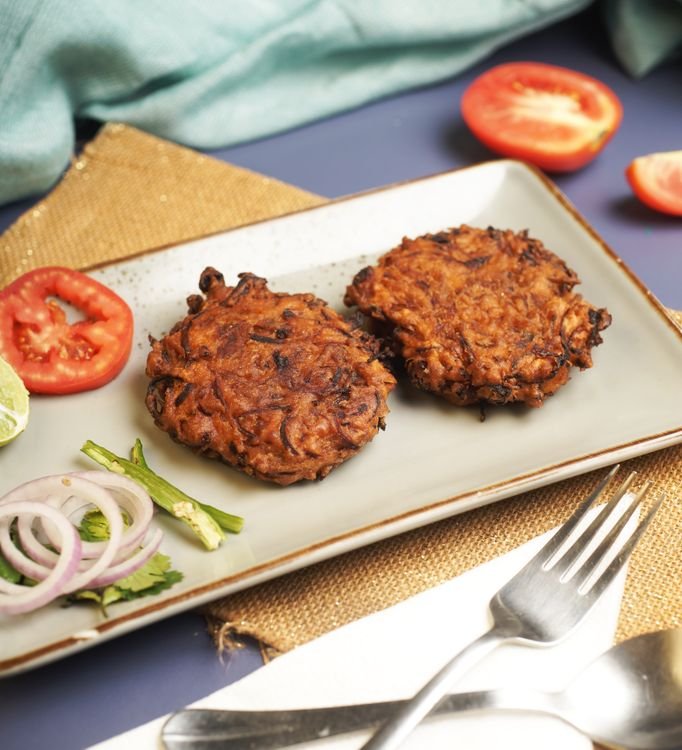
Golden, crisp fritters packed with sweet cherry tomatoes, fresh mint and crumbled feta, fried until the outside shatters and the inside stays soft and juicy. Tomatokeftedes are Santorini's most loved meze, made from the island's small, intensely flavoured tomatoes. They are simple, sunny food, made for sharing with tzatziki and a squeeze of lemon, and they fit an Australian barbecue table perfectly.
The story behind Santorini Tomato Fritters
Santorini's tomatoes are unlike tomatoes anywhere else. The island is dry, windy and covered in volcanic ash, and the small cherry tomatoes that grow there, called tomataki, are thick-skinned, low in water and intensely sweet. Tomatoes only arrived on the island in the nineteenth century, but islanders quickly learned to make the most of them, and tomatokeftedes became the dish that turns a handful of those precious tomatoes into something worth sharing.
The fritters belong to the wider Greek tradition of vegetable fritters, but Santorini's version is defined by its tomatoes. The fruit is chopped and folded into a light batter with onion, herbs and a little flour, then fried in spoonfuls until golden. Feta is often crumbled through the mix, and fresh mint gives the fritters their signature cool, green note. They are served as a meze, a small plate to share, usually with tzatziki or a wedge of lemon.
What makes these fritters special is the contrast between outside and inside. The outside fries crisp and golden, while the inside stays soft, almost jammy, because the tomatoes release their juice as they cook. A good fritter is light, not heavy, and you can still taste the tomato clearly through the batter. Chilling the mixture before frying helps them hold their shape and keeps the crust delicate.
Cook tomatokeftedes when tomatoes are at their best and the table is outside. They suit an Australian barbecue beautifully, served hot from the pan as a starter while the grill is going, or as part of a mezze spread with olives, bread and dips. They are also a lovely way to use up a glut of cherry tomatoes from the garden, and children love them straight from the plate. They also make a wonderful snack with drinks in the evening, when the sun is going down and nobody wants a heavy meal. Fry a batch, put them in the middle of the table with tzatziki, and let people eat them with their fingers while they talk. That is how they are eaten in Santorini, and it works just as well in an Australian backyard.
- Prep time
- 25 mins
- Cook time
- 20 mins
- Total time
- 45 mins
- Servings
- 4 servings
- Calories
- 380
Ingredients
- 500g cherry tomatoes, halved and roughly chopped
- 1 small red onion, finely chopped
- 100g feta cheese, crumbled
- 2 tablespoons chopped fresh mint
- 2 tablespoons chopped fresh parsley
- 1 large egg, lightly beaten
- 120g plain flour, plus extra if needed
- 1/2 teaspoon baking powder
- 1/2 teaspoon dried oregano
- 1/2 teaspoon salt, or to taste
- 1/4 teaspoon black pepper
- 150ml olive oil, for frying
- 1 lemon, cut into wedges, to serve
- Tzatziki, to serve
Instructions
- Put the chopped tomatoes in a large bowl and sprinkle over the salt. Leave them for 10 minutes, then tip them into a sieve and press gently to remove some of the juice. You want the tomatoes moist but not swimming, because too much liquid makes a batter that will not hold together in the pan.
- Return the tomatoes to the bowl and add the red onion, crumbled feta, mint, parsley and oregano. Stir gently so the feta stays in small pieces rather than turning to mush. The mixture should smell fresh and green, with the sweet tomatoes and the mint coming through clearly.
- Beat in the egg, then add the flour, baking powder and black pepper. Stir just until everything comes together into a thick, spoonable batter that holds its shape on a spoon. If it looks runny, add flour a tablespoon at a time. The batter should be wet and chunky, not smooth like a cake mix.
- Cover the bowl and chill the mixture in the fridge for 20 minutes. This rest lets the flour absorb the tomato juices and helps the fritters keep their shape in the hot oil. While it chills, line a plate with kitchen paper and set out your serving plate and lemon wedges.
- Heat the olive oil in a large frying pan over medium-high heat until it shimmers. Test it with a small drop of batter: it should sizzle at once and rise to the surface within a few seconds. If the oil is too cool the fritters will soak up grease, and if it is too hot they will burn before the inside cooks.
- Drop heaped tablespoons of batter into the oil, leaving space between them, and flatten each one slightly with the back of the spoon. Fry for 2 to 3 minutes on the first side, until the edges turn deep golden and crisp. Do not crowd the pan, because the temperature drops and the fritters turn soggy.
- Turn each fritter carefully with a spatula or tongs and fry the second side for another 2 minutes until golden all over. The fritters should feel firm at the edges but still soft in the centre when you press them gently. Listen for a steady, lively sizzle rather than a violent splatter.
- Lift the fritters out with a slotted spoon and drain them on kitchen paper for a minute. Season lightly with a pinch of salt while they are still hot, so it sticks to the crisp surface. Fry the remaining batter in batches, letting the oil come back up to temperature between rounds.
- Serve the fritters hot, piled on a warm plate with lemon wedges and a bowl of tzatziki for dipping. They are at their best in the first ten minutes, while the crust is still crisp and the tomato centre is soft and warm. Put them in the middle of the table and let everyone help themselves.
Pro tips
- Use the ripest cherry tomatoes you can find, because the whole dish depends on their sweetness. If your tomatoes are a little sharp, add a pinch of sugar to the batter to balance them. Taste one before you start, since sweet tomatoes make all the difference here.
- Drain the salted tomatoes well, but do not squeeze them dry. You need some juice in the batter for a soft centre, just not so much that the fritters fall apart in the oil.
- Chill the mixture for at least 20 minutes before frying. Warm batter spreads in the pan and makes flat, greasy fritters, while chilled batter holds its shape and fries up crisp.
- Keep the oil at a steady medium-high heat and fry in small batches. If the fritters brown too fast, turn the heat down slightly; if they sit pale and greasy, the oil is too cool and needs a minute to recover.
- Serve them immediately. Fritters lose their crispness as they sit, so time the frying for the moment people are ready to eat, and keep finished batches warm in a low oven rather than piling them under a lid.
Variations & serving ideas
For courgette fritters, swap half the tomatoes for grated courgette, squeezed dry in a clean tea towel. The result is lighter and greener, with the same crisp outside. Add a little extra flour, because courgette holds more water than tomato, and serve with the same tzatziki. A little crumbled goat cheese can replace the feta for a tangier result, and a pinch of chilli flakes in the batter adds a gentle warmth that suits the sweet tomatoes. If you like a crisper fritter, add a tablespoon of fine semolina to the batter, which gives the crust a delicate crunch without making it heavy. A spoonful of crumbled feta stirred through the courgette version adds a salty tang, and a little lemon zest in the batter brightens the whole fritter.
Leave out the feta for a dairy-free version and add a tablespoon of nutritional yeast or an extra pinch of salt for depth. The fritters will be a little softer, so chill the mixture for 30 minutes instead of 20 and fry them slightly smaller so they hold together. Chickpea flour can replace half the plain flour for a nuttier flavour and a slightly firmer texture, and it helps the fritters hold together without any egg at all.
You can trade the mint for dill or basil, or use a mix of all three, depending on what is growing in the garden. Dill gives a more classic Greek flavour, while basil makes the fritters taste more like a summer tomato salad. Oregano stays in the mix in every version. A pinch of dried mint works when fresh mint is out of season, though the flavour is softer. Rub the dried leaves between your palms before adding them, which releases their oils.
Serve tomatokeftedes as part of a mezze spread with olives, hummus, warm pitta and a big Greek salad. At an Australian barbecue they make a wonderful starter, fried while the grill heats up and eaten standing around with drinks. They also pack well for a picnic if you let them cool completely first. They also make a good addition to a picnic hamper, packed cold with tzatziki in a separate tub. Let them cool completely before packing, or the steam will soften the crust.
Getting it right
The key technique is judging the batter. It should be thick enough to hold its shape on a spoon but wet enough that you can still see pieces of tomato and feta. Add the flour gradually and stop as soon as the mixture holds together, because too much flour makes heavy, doughy fritters where the tomato disappears. Stop adding flour as soon as the batter holds its shape on a spoon, even if it still looks wet and rough.
Oil temperature is the second skill. The oil should be hot enough that a drop of batter sizzles and rises at once, but not so hot that the fritters darken within a minute. Medium-high heat is right, and you should adjust it between batches as the pan heats up and cools down. Fry one test fritter first to check the oil temperature and the batter, then adjust before frying the rest.
The most common mistake is overcrowding the pan. When too many fritters go in at once, the oil temperature drops, the batter absorbs grease, and the fritters come out pale and soggy instead of crisp. Fry four or five at a time, let the oil recover between batches, and keep the finished ones warm in a low oven. Another mistake is using under-ripe tomatoes, which give a sour, watery fritter with little flavour. Taste a tomato before you start: it should be sweet and fragrant. If the tomatoes are disappointing, add a teaspoon of sugar and an extra pinch of salt to the batter to help them along.
Storing & reheating
Fritters are best eaten fresh, but leftovers keep in the fridge for up to 2 days in a sealed container. Reheat them in a hot oven at 200C for 6 to 8 minutes until crisp again, and never use the microwave, which turns them soft and steamy.
You can freeze cooked fritters for up to 1 month. Cool them completely, lay them flat on a tray to freeze, then pack them into a freezer bag. Reheat from frozen in a hot oven for 10 to 12 minutes until crisp and hot through. If you freeze a batch, reheat them from frozen in a hot oven at 200C for 10 to 12 minutes, turning once halfway through. They will come back crisp on the outside and soft inside. Let them cool for a minute before serving, because the tomato centre holds its heat.
Frequently asked questions
What are tomatokeftedes?
Tomatokeftedes are Santorini tomato fritters, made by folding chopped cherry tomatoes, onion, herbs and feta into a light batter and frying spoonfuls until golden. They are a classic Greek meze, crisp outside and soft and juicy inside. They are crisp outside and soft and juicy inside.
Can I use normal tomatoes instead of cherry tomatoes?
Yes, but choose small, ripe tomatoes and remove the watery seeds before chopping. Cherry tomatoes are best because they are sweeter and less watery. A mix of cherry tomatoes and one chopped Roma tomato works well if cherry tomatoes are expensive.
Why do my fritters fall apart in the oil?
The batter is usually too wet, or the mixture was not chilled before frying. Salt and drain the tomatoes first, add flour gradually until the batter holds its shape, and chill the mixture for at least 20 minutes before it goes into the pan.
Can I bake tomato fritters instead of frying them?
You can, but the result is softer and less crisp. Drop spoonfuls onto a well-oiled baking tray and bake at 220C for 15 to 18 minutes, turning once. They will taste good, but they will not have the same golden, shattering crust as the fried version.
What do I serve with Santorini tomato fritters?
Tzatziki and lemon wedges are the classic partners. They also sit well on a mezze table with olives, hummus, warm pitta and Greek salad, or as a starter at an Australian barbecue while the grill heats up. They are also good on their own with just lemon.
Can I make the batter ahead of time?
Yes, you can make the batter up to 4 hours ahead and keep it covered in the fridge. Stir it gently before frying and add a tablespoon of flour if it has loosened. Do not keep it overnight, because the tomatoes release more juice and the batter turns too wet.