Orzo Salad Recipe
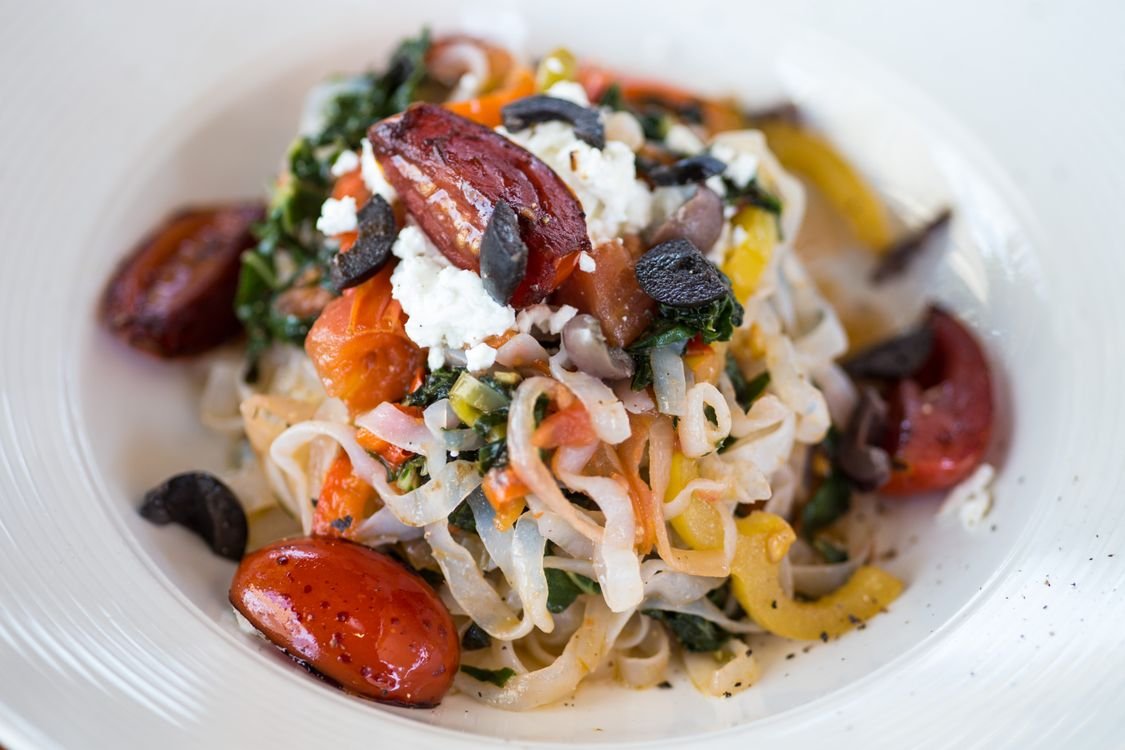
Tender orzo tossed with sweet cherry tomatoes, crisp cucumber, red onion and salty feta, all coated in a bright lemon and olive oil dressing. Orzo salad is Greek summer food at its freshest: light, crunchy, colourful and endlessly useful, from a barbecue side to a packed lunch. It takes thirty minutes, travels well, and tastes even better after an hour in the fridge, which makes it a natural fit for an Australian barbecue or picnic.
The story behind Orzo Salad
Orzo, also called kritharaki in Greek, is a small pasta shaped like a grain of rice. Greek cooks have used it for generations in soups, baked dishes and salads, and the salad version is a summer staple. It turns up at family gatherings, on taverna tables and in lunchboxes, because it is cheap, filling and easy to carry, and it holds up far better than a leafy salad in the heat.
The Greek version of orzo salad follows the same principles as a Greek village salad: good tomatoes, cucumber, onion, olives and feta, dressed with olive oil and lemon. The orzo replaces the bread that usually soaks up the dressing, and the pasta catches the juices from the tomatoes as it sits. Fresh herbs, usually parsley and dill, give it a green, garden flavour that makes the whole bowl taste alive.
What makes this salad special is the way the flavours develop as it rests. The orzo absorbs the lemon dressing, the tomatoes soften slightly and release their juice, and the feta turns creamy at the edges. Eaten straight away it is bright and crunchy, and after an hour in the fridge it is deeper, softer and more rounded. Both versions are good, and the salad is forgiving enough to survive a car ride to the park.
Cook orzo salad when the weather is warm and the table is outside. It is made for an Australian barbecue, where it can sit happily next to grilled meats and fish, and it is just as good as a light lunch on its own with a slice of bread. It also works as a make-ahead dish for a picnic, because it travels well and needs no reheating. Make it in the morning and let the fridge do the work. It also works as a desk lunch, packed into a container the night before and eaten cold the next day. The flavours only improve overnight, and a small tub of extra dressing on the side lets you freshen it up before eating. Few make-ahead lunches taste this good after a night in the fridge.
- Prep time
- 20 mins
- Cook time
- 10 mins
- Total time
- 30 mins
- Servings
- 4 servings
- Calories
- 420
Ingredients
- 250g orzo pasta
- 200g cherry tomatoes, halved
- 1 cucumber, diced
- 1 small red onion, finely sliced
- 100g feta cheese, crumbled
- 60g Kalamata olives, halved
- 1 red pepper, diced
- 60ml extra virgin olive oil
- 1 lemon, zested and juiced
- 1 teaspoon red wine vinegar
- 1 garlic clove, finely grated
- 1/2 teaspoon dried oregano
- 1 teaspoon salt and 1/2 teaspoon black pepper, or to taste
- 3 tablespoons chopped fresh parsley and 2 tablespoons chopped fresh dill
Instructions
- Bring a large pot of well-salted water to a rolling boil and add the orzo. Cook for 8 to 9 minutes, stirring now and then, until it is just tender with a slight bite in the centre. The pasta will soften a little more as it cools in the dressing, so take it off the heat while it still has some firmness.
- Drain the orzo in a colander and rinse it briefly under cold running water to stop the cooking. Shake it well and leave it to drain for a few minutes. The grains should be cool, separate and slightly damp, not clumped together in a sticky mass. A quick drizzle of olive oil now will help keep them loose.
- While the orzo cools, whisk together the olive oil, lemon juice and zest, red wine vinegar, grated garlic, oregano, salt and black pepper in a large bowl. Taste the dressing: it should be bright, salty and lemony, with a warm background of garlic. Add more lemon juice if it tastes flat.
- Tip the cooled orzo into the dressing and toss well so every grain is coated. Let it sit for 5 minutes so the pasta starts to absorb the dressing. The orzo will drink up a surprising amount of liquid, which is exactly what you want, because it carries the flavour into every bite.
- Add the halved cherry tomatoes, diced cucumber, sliced red onion, diced red pepper and halved olives. Toss gently so the vegetables stay in distinct pieces and the tomatoes do not break apart. The salad should look colourful and varied, with red, green and white scattered through the pale orzo.
- Fold in the crumbled feta, chopped parsley and dill, reserving a little of each for the top. The feta will soften slightly against the warm pasta and turn creamy at the edges, which is part of the charm of the dish. Toss once more, gently, so the feta stays in chunks rather than dissolving.
- Taste and adjust the seasoning. The salad often needs another squeeze of lemon and a pinch more salt after the vegetables go in, because the cucumber and tomatoes dilute the dressing. A grind of black pepper on top adds a final lift.
- Cover and chill the salad for at least 30 minutes before serving, or up to 4 hours. This rest lets the flavours come together and the orzo finish absorbing the dressing. Stir it once before serving and check the seasoning again, because cold food always needs a little more salt and lemon.
- Serve the salad in a wide bowl, scattered with the reserved feta and herbs, with extra lemon wedges on the side. It is good cold or at room temperature, and it sits happily on a buffet table for an hour or two. Set out a serving spoon and let everyone help themselves.
Pro tips
- Salt the pasta water generously, because this is the only chance to season the orzo itself. The water should taste like the sea, and the pasta will absorb that seasoning as it cooks.
- Do not overcook the orzo. It should be just tender with a bite in the centre, because it softens further as it sits in the dressing. Mushy orzo turns the whole salad stodgy and heavy. If the orzo does clump, rinse it again briefly and toss it with a little olive oil to separate the grains.
- Dress the orzo while it is still slightly warm, not piping hot and not fridge-cold. Warm pasta absorbs dressing far better than cold pasta, and the flavour will reach right into every grain.
- Cut the vegetables small and even so you get a little of everything in each spoonful. Big chunks of cucumber and tomato make the salad hard to eat and leave the orzo bare.
- Taste the salad again after chilling. Cold dulls flavour, so a salad that tasted perfect warm will often need more lemon, salt and pepper once it has been in the fridge.
Variations & serving ideas
For a heartier version, add a tin of drained chickpeas or a cup of cooked white beans. They make the salad substantial enough for a main course and add a creamy texture that works well with the feta. Stir them in with the vegetables so they pick up the dressing too. A handful of toasted pine nuts or flaked almonds adds crunch and a nutty flavour that works well with the feta. Toast them in a dry pan for two minutes until golden, let them cool, and scatter them over the top just before serving so they stay crisp. Toasted pine nuts scattered over the chickpea version add crunch, and a handful of sun-dried tomatoes chopped small deepens the flavour with a sweet, concentrated note.
Swap the feta for crumbled goat cheese if you prefer a tangier, softer result, or leave the cheese out entirely and add a handful of toasted pine nuts for richness. The salad is flexible, and the lemon dressing ties every version together. A drizzle of honey in the dressing balances the tang of goat cheese nicely, though only a teaspoon is needed. Taste as you go, because the feta and olives already bring plenty of salt.
You can trade the cherry tomatoes for sun-dried tomatoes in winter, when fresh tomatoes are pale and watery. Chop them small and add a spoonful of their oil to the dressing for extra depth. A diced avocado, added just before serving, also works beautifully in summer. Roasted red peppers from a jar can replace the fresh pepper in winter, and they add a soft, smoky sweetness. Drain them well and pat them dry before dicing.
Serve orzo salad next to grilled fish, chicken or lamb at an Australian barbecue, or pack it into containers for a picnic, where it keeps well without refrigeration for a couple of hours. It also makes a great packed lunch, because it tastes better the next day after a night in the fridge. For a picnic, pack the salad in a wide, shallow container so it stays cool and even, and carry the lemon wedges separately. It needs no reheating and no cutlery beyond a serving spoon, which makes it one of the easiest dishes to take outdoors.
Getting it right
The key technique is cooking the orzo properly. It needs plenty of well-salted boiling water and regular stirring, because the small grains stick together and to the bottom of the pot if they are left alone. Taste it a minute before the packet time is up, and drain it the moment it is just tender. Stir the orzo every couple of minutes while it cooks, because the small grains sink and stick to the bottom of the pot if left alone.
Rinsing the orzo is a deliberate choice here, even though you would never rinse pasta for a hot dish. In a cold salad, rinsing stops the cooking and washes away the surface starch that would otherwise glue the grains into a lump. A light drizzle of oil after rinsing keeps them separate while they cool. Taste the orzo a minute before the packet time is up, since it keeps cooking in its own heat for a minute after draining.
The most common mistake is dressing the salad too early and letting it sit too long before serving. The orzo keeps absorbing liquid, so a salad dressed in the morning can be dry by lunchtime. Keep a little extra dressing aside and stir it through just before serving to bring the salad back to life. Another mistake is adding the feta too early and stirring it too hard, so it dissolves into the dressing and turns the salad cloudy. Fold the feta in gently at the end, in large crumbles, and reserve some for the top, so the salad keeps its distinct white chunks.
Storing & reheating
Store orzo salad in a sealed container in the fridge for up to 3 days. It actually improves overnight as the flavours develop. Stir it well before serving and add a squeeze of lemon and a drizzle of olive oil to freshen it up, because the pasta will have absorbed some of the dressing. If the salad dries out in the fridge, revive it with a spoonful of olive oil and a squeeze of lemon, then stir well and check the salt. The pasta keeps absorbing liquid overnight, so a salad that was perfect yesterday will almost always need a little extra dressing today.
Do not freeze orzo salad. The cucumber and tomatoes turn watery on defrosting and the pasta goes mushy. If you want to make it ahead, cook the orzo and keep it separate, then toss everything together on the day.
Frequently asked questions
What is orzo?
Orzo is a small pasta shaped like a grain of rice, called kritharaki in Greek. It is made from wheat and cooks in about 8 to 9 minutes. In salads it behaves like a grain, soaking up dressing and holding its shape well when served cold.
Should I rinse orzo for a salad?
Yes, rinse it briefly under cold water after draining. This stops the cooking and washes away surface starch so the grains stay separate. For hot pasta dishes you would never rinse, but in a cold salad it makes a real difference.
How long does orzo salad last in the fridge?
It keeps well for up to 3 days in a sealed container, and the flavour improves overnight. Stir it before serving and add a squeeze of lemon and a drizzle of olive oil, because the pasta absorbs dressing as it sits.
Can I make orzo salad ahead of time?
Yes, it is ideal for making ahead. Make it in the morning and chill it for at least 30 minutes, or overnight. Keep a little extra dressing aside and stir it through before serving, because the orzo will have absorbed some of the original dressing.
What can I add to orzo salad to make it a main course?
A tin of drained chickpeas, white beans, grilled chicken strips or flaked tuna all turn it into a filling main. Add them with the vegetables so they pick up the dressing, and increase the lemon and salt slightly to season the extra ingredients.
Is orzo salad gluten-free?
No, orzo is made from wheat and contains gluten. For a gluten-free version, use a small gluten-free pasta shape or cooked quinoa, which gives a similar texture. Cook the quinoa until just tender and cool it before tossing with the same dressing and vegetables.