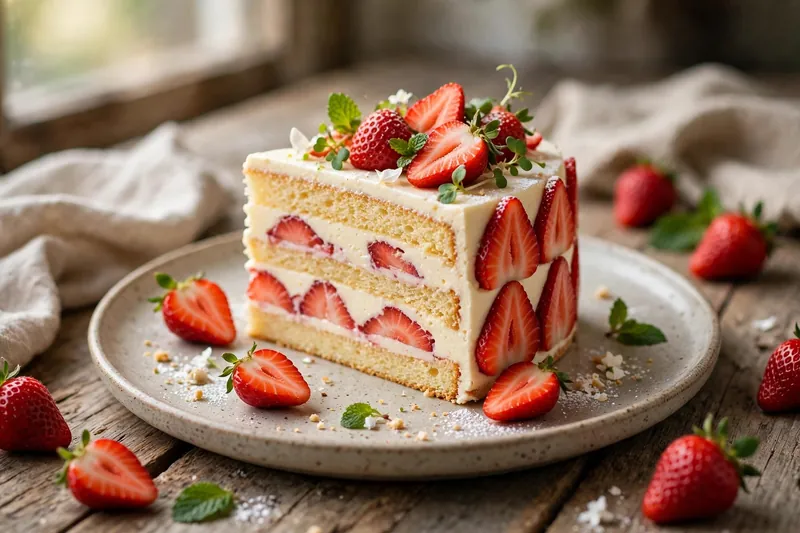
Flan Pâtissier Recipe

Flan Pâtissier is the French bakery classic: crisp shortcrust pastry filled with a thick, silky vanilla custard, baked until golden on top. It is rich, comforting and a true taste of Paris, the slice you buy from a boulangerie on a cold morning. Made at home, it is even better, and far simpler than it looks.
The story behind Flan Pâtissier
Flan pâtissier is the quiet hero of the French bakery. It sits in the glass case next to the éclairs and the tarte au citron, unglamorous and unbothered, and it outsells most of them. A thick slab of vanilla custard in a pastry case, baked until the top is golden and slightly blistered, it is the kind of thing Parisians buy by the slice on their way to work and eat standing up, without ceremony.
The flan has been part of French baking for a very long time. Early versions appear in medieval cookbooks, when custard tarts were a staple of feast tables, and the modern form, with its deep custard filling and shortcrust shell, settled into its current shape in the bakeries of Paris. It is a working baker's dessert: simple ingredients, a forgiving method, and a result that improves as it cools.
What makes a great flan pâtissier is the custard. It should be thick and dense, almost like a set cream, with a deep vanilla flavour and a texture that slices cleanly without oozing. The top should be golden, sometimes with a few dark, caramelised spots, and the pastry should be crisp underneath, not soggy. Getting all of that right is mostly about cooking the custard properly on the hob before it ever reaches the oven.
Make it for a weekend treat, a dinner-party dessert, or just because you feel like it. It needs a few hours to cool and chill, so it is best made in the morning for the afternoon, or the day before. Slice it thick, serve it at room temperature or lightly chilled, and watch it disappear. There is a reason this unassuming tart has survived centuries of changing fashion: it is honest food, made from things every kitchen already has, and it delivers comfort in a way that fancier desserts rarely manage. No piping, no glazing, no decoration. Just pastry, custard and vanilla, done properly.
- Prep time
- 30 mins
- Cook time
- 1 hr
- Total time
- 1 hr 30 mins
- Servings
- 4 servings
- Calories
- 420
Ingredients
- 1 sheet shortcrust pastry (about 300 g)
- 1 litre whole milk
- 1 vanilla pod, split, or 2 teaspoons vanilla extract
- 4 eggs
- 150 g caster sugar
- 100 g cornflour
- 50 g butter
- 1 pinch of salt
Instructions
- Line a 20 cm round cake tin with the shortcrust pastry, pressing it gently into the corners and up the sides. Trim the excess and prick the base all over with a fork. This stops the base puffing up in the oven. Chill the lined tin in the fridge for 20 minutes while you make the custard.
- Warm the milk with the split vanilla pod in a large pan over medium heat until it just reaches a simmer, with small bubbles around the edge. Take it off the heat and leave it to infuse for 10 minutes. If you are using vanilla extract instead, add it at the end, after the custard has cooked.
- Whisk the eggs, caster sugar, cornflour and pinch of salt in a large bowl until smooth and lump-free. The cornflour is what makes the custard thick and sliceable, so make sure it is fully incorporated with no white streaks. Take your time here; lumps now mean lumps in the finished flan.
- Pour the warm milk into the egg mixture in a slow stream, whisking constantly. Work steadily and keep whisking, so the eggs do not scramble. Once it is all combined, pour the whole mixture back into the pan.
- Cook over medium heat, stirring constantly with a wooden spoon or whisk, for 3-4 minutes. It will suddenly thicken, going from liquid to a thick, glossy custard almost all at once. Keep stirring through the thickening and cook for a full minute after it thickens, so the cornflour loses its raw taste. It should be thick enough to hold its shape on the spoon.
- Take the pan off the heat and stir in the butter until it melts completely and the custard turns glossy. Remove the vanilla pod, scraping any seeds back into the custard. If you are using extract, stir it in now. Taste it: it should be rich, sweet and deeply vanilla.
- Pour the hot custard into the chilled pastry case, spreading it evenly and smoothing the top with a spatula. Bake at 180°C for 35-40 minutes, until the top is golden, with a few darker spots, and the custard is just set with a slight wobble in the centre. The top may puff slightly; it settles as it cools.
- Cool the flan completely in the tin, then chill in the fridge for at least 2 hours before slicing. This is not optional: a warm flan will not slice cleanly and the custard will ooze. Use a sharp knife, wiped clean between cuts, for neat, bakery-style slices. Serve at room temperature or lightly chilled.
Pro tips
- Cook the custard until really thick, or it will be runny after baking. It should hold its shape on a spoon and leave a clear trail when you drag a finger through it on the back of the spoon. Undercooked custard never firms up properly, no matter how long you chill it.
- Chill the pastry case before baking so it doesn't shrink. Twenty minutes in the fridge firms the butter in the pastry, which means it holds its shape in the oven instead of slumping down the sides of the tin.
- Let the flan cool fully before slicing for clean, neat pieces. A warm flan is delicious but messy; a properly chilled flan slices like a dream. Use a sharp knife and wipe it clean between cuts.
- Prick the pastry base well. A fork-pricked base lets steam escape and stops the pastry puffing up under the custard. If it does puff, press it down gently with the back of a spoon before pouring in the custard.
- Use whole milk and real butter. The richness of the custard comes from the fat, and low-fat milk or margarine will give you a thin, disappointing result. This is a dessert, not a health food; use the good stuff.
Variations & serving ideas
The classic version is vanilla, but the custard takes other flavours beautifully. A strip of orange zest steeped in the milk gives a bright, citrusy note, and a tablespoon of rum or orange blossom water stirred in at the end adds warmth. Chocolate flan is a popular variation: melt 100 g of dark chocolate into the hot custard and reduce the sugar slightly.
The pastry can change too. Puff pastry makes a flakier, lighter base that is closer to some Parisian bakery versions, though it is trickier to handle. A sweet shortcrust pastry, with a spoonful of sugar added, gives a more dessert-like shell. You can also skip the pastry entirely and bake the custard in a greased dish for a crustless flan, which is not traditional but is delicious and much lighter.
For a fruit version, arrange thinly sliced apples or pears over the custard before baking, or scatter fresh berries over the cooled flan just before serving. A dusting of icing sugar on top is the simplest decoration and looks lovely. Some bakers brush the top with apricot jam for a glossy finish. A pinch of ground cinnamon or nutmeg in the custard gives a warmer, spicier character that suits cold weather, and a little lemon zest in the pastry adds a subtle brightness that lifts the whole slice.
Serve it as it is, at room temperature or lightly chilled, with a cup of coffee or tea. It needs no cream, no ice cream and no sauce. A thick slice on a plain plate is the whole experience, and it is more than enough.
Getting it right
The technique that matters most is cooking the custard on the hob. This is not a custard that sets in the oven from liquid; it is cooked until thick on the stove, then baked to set and brown. The cornflour does the thickening, and it needs to reach a full boil for a minute to lose its raw, starchy taste. Keep stirring constantly, right into the corners of the pan, because custard catches and burns faster than you think.
Heat control matters at both stages. On the hob, medium heat and constant stirring give you a smooth, even custard. Too hot and it goes lumpy; too cool and it never thickens properly. In the oven, 180°C is the sweet spot: hot enough to brown the top and set the custard, cool enough that the pastry does not burn before the centre is done. If the top browns too fast, cover it loosely with foil for the last 10 minutes.
The most common mistakes are undercooking the custard, skipping the chill, and a soggy base. Undercooked custard stays runny. A flan sliced warm falls apart. And a soggy base usually means the pastry was not chilled, or the custard was too thin when it went in. Cook the custard thick, chill the pastry, and let the finished flan cool completely, and you will have a bakery-worthy result.
Storing & reheating
Flan pâtissier keeps in the fridge for up to 3 days, covered loosely with cling film or in an airtight container. The pastry softens slightly over time but the custard stays delicious, and many people prefer it on the second day, when the flavours have settled. Bring it to room temperature for 20 minutes before serving for the best flavour and texture.
It freezes well too. Freeze individual slices, wrapped tightly in cling film and then foil, for up to a month. Thaw in the fridge overnight and eat within a day. The pastry will be softer after freezing, but the custard holds up beautifully. Do not refreeze once thawed.
Frequently asked questions
What is the difference between flan pâtissier and crème caramel?
Flan pâtissier has a pastry case and a thick, sliceable custard made with cornflour, while crème caramel is a baked custard in caramel with no pastry. Flan pâtissier is served in slices at room temperature or chilled; crème caramel is turned out of its mould and served cold with its caramel sauce. They are very different desserts that happen to share the word flan.
Can I use vanilla extract?
Yes. Use 2 teaspoons of good vanilla extract in place of the pod, and stir it into the custard after cooking, off the heat. Extract loses some of its flavour if it is boiled, so adding it at the end keeps the vanilla flavour bright. A vanilla pod gives a deeper, more complex flavour, but extract works well.
How long does it keep?
It keeps in the fridge for 3 days, covered, and many people think it tastes even better on the second day. The pastry softens slightly but the custard stays silky and delicious. Bring it to room temperature for 20 minutes before serving for the best flavour.
Can I freeze flan pâtissier?
Yes. Freeze slices wrapped well in cling film and foil for up to a month, and thaw in the fridge overnight. The custard freezes beautifully, though the pastry will be softer after thawing. Eat within a day of thawing and do not refreeze.
Why is my custard runny?
The custard was almost certainly undercooked on the hob. It needs to reach a full boil and cook for a full minute after thickening, so the cornflour activates completely. It should be thick enough to hold its shape on a spoon before it goes into the pastry case. If it is still pourable like cream, it is not ready.
Why did the top crack?
Cracking usually means the oven was too hot or the flan cooled too quickly. Bake at 180°C and no higher, and let the flan cool gradually in the tin at room temperature rather than moving it straight to the fridge. A few small cracks are normal and do not affect the flavour at all.